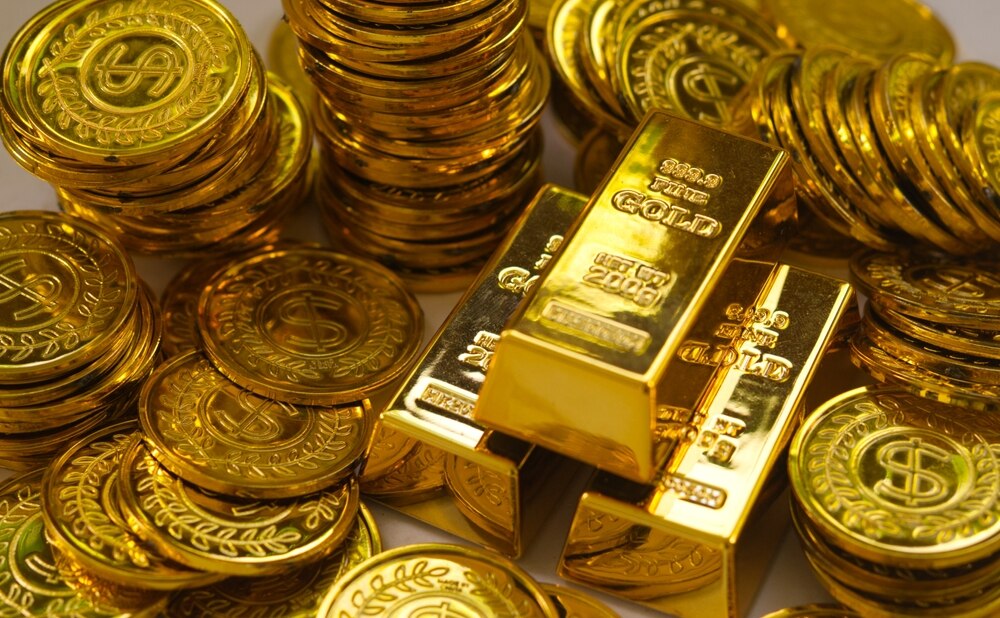
Gold prices fell on Tuesday after reaching a seven-week high last week, as investors turned cautious ahead of key year-end US data releases on inflation and employment.
Yellow metal slips
Spot gold declined to $4,286.95 per ounce by late morning, down 1.38% from the previous day’s peak of $4,347.03. US gold futures also eased, slipping 0.5% to $4,315.80 per ounce.
Gold prices surged to a record high last week, supported by recent US Federal Reserve interest rate cuts. The metal has gained more than 40% so far in 2025, reflecting strong investor demand and a supportive macroeconomic environment.
On December 10, the Federal Reserve lowered the federal funds rate by a quarter percentage point to a range of 3.5% to 3.75%, citing uncertainty surrounding labor market conditions and persistent inflation pressures.
“We’re right up against the highs around $4,380 from mid-October,” said Ilya Spivak, head of global macro at Tastylive. “The market is essentially questioning whether there’s enough conviction to push prices higher or whether momentum begins to fade at these levels.”
Silver prices
Silver also reached record levels last week, climbing to $64.5 per ounce on December 12. Prices slipped on Tuesday to $63.06 per ounce by late morning, though silver remains bullish for the year, supported by strong industrial and investment demand.
Outlook
Goldman Sachs expects gold prices to rise about 6% to $4,000 per troy ounce by mid-2026, from roughly $3,772 in late September 2025. The outlook is underpinned by continued central bank demand and expectations of further easing in US interest rates.
The bank also noted strong buying interest from emerging-market central banks, as countries such as China continue to hold a relatively smaller share of gold in their reserves compared with developed economies.