This story appeared in the October 2025 issue, featuring the annual Healthcare Leaders ranking.
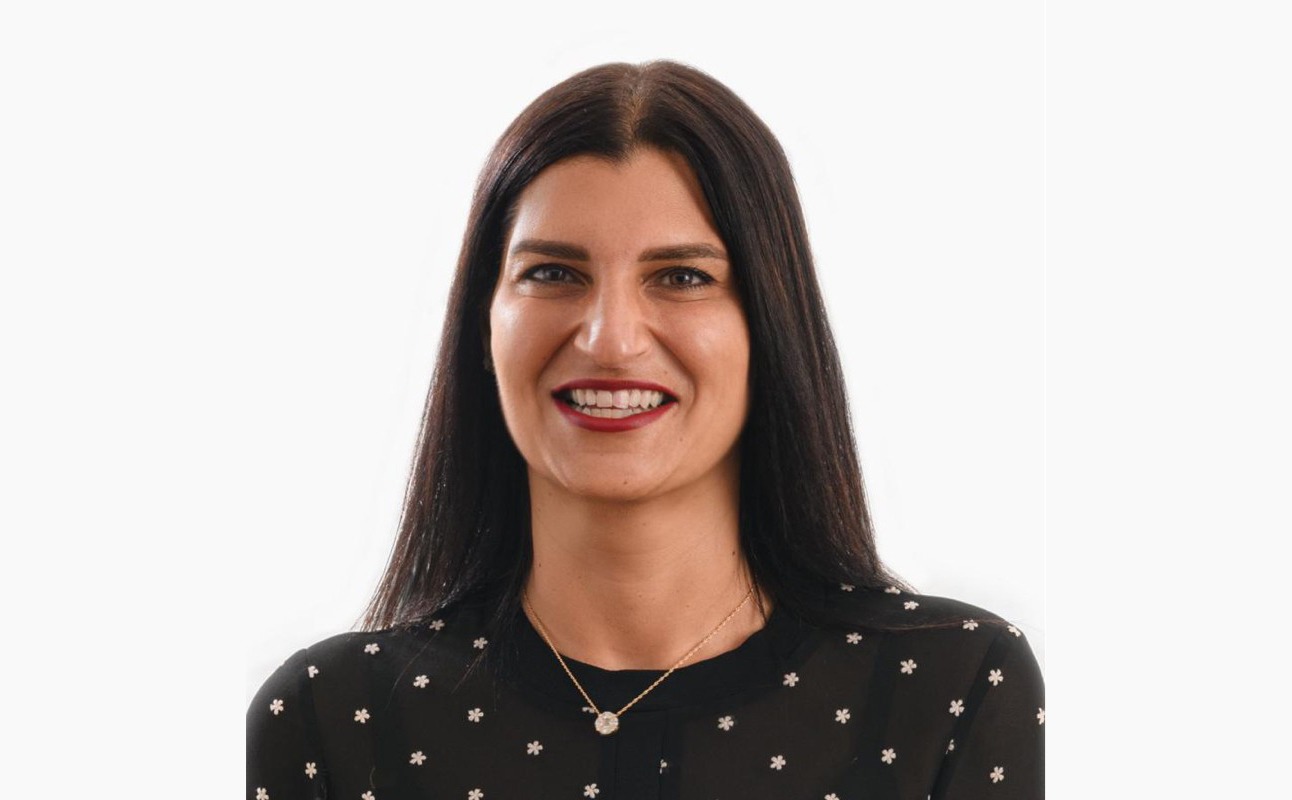
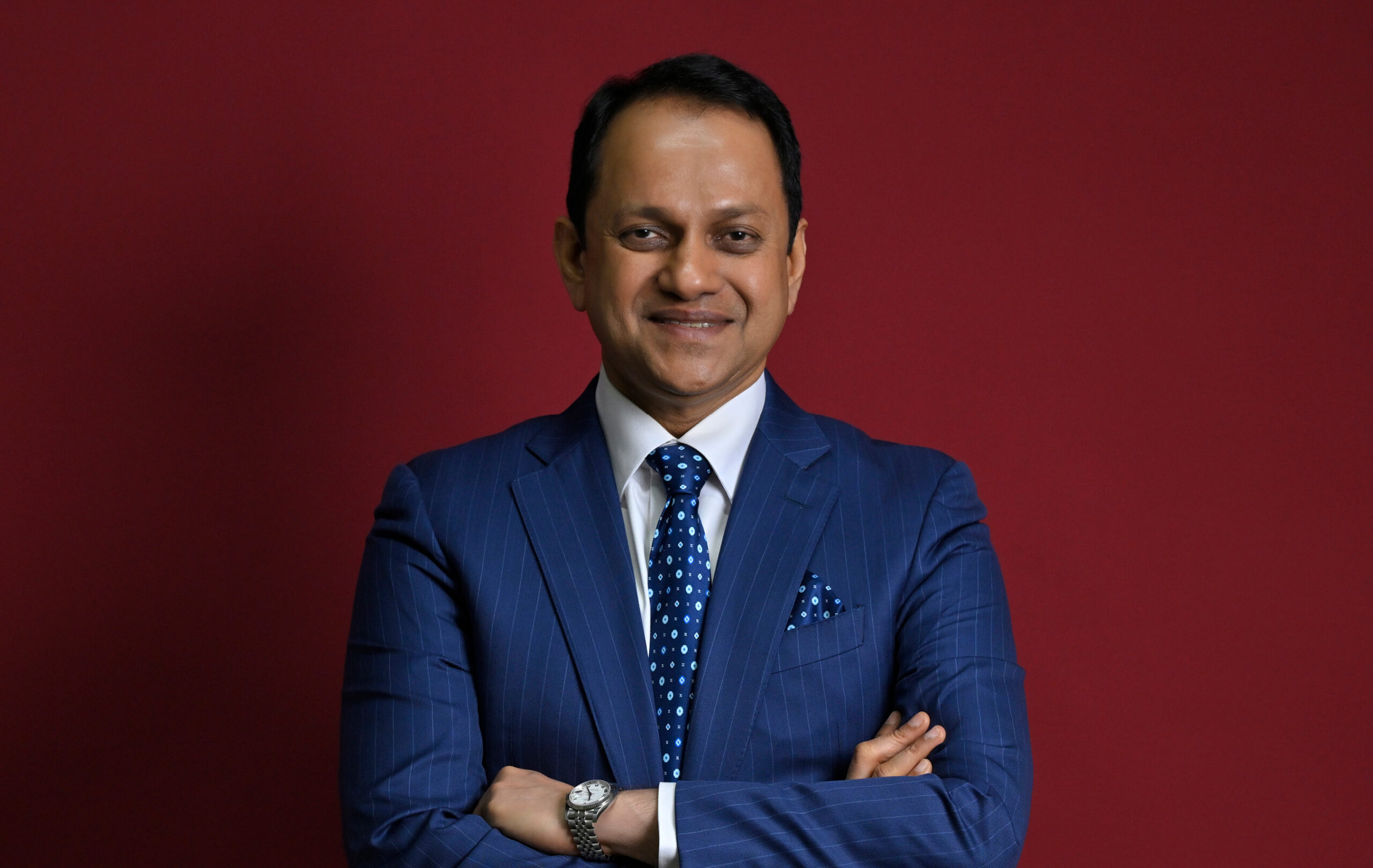
In the early 2000s, seeking life saving treatment in the Middle East often meant boarding a plane in search of advanced medical care. For John Sunil, Chief Executive Officer of Burjeel Holdings, changing that reality has defined much of his career. Over the past two decades, the company has built a healthcare network capable of delivering complex and specialized treatments that were once available only overseas, ensuring patients no longer need to leave home to find answers. Sunil emphasizes that the core objective has always been to deliver world class healthcare within the region.
As of September 22, 2025, Burjeel Holdings had a market capitalization of 1.9 billion dollars. The Abu Dhabi listed group serves 6.5 million patients annually across more than 112 healthcare assets. These include 20 hospitals in the United Arab Emirates and Oman, along with 30 physiotherapy and wellness centers in Saudi Arabia, supported by a total bed capacity of 1,743.
The origins of Burjeel Holdings date back to 2007, when founder Dr Shamsheer Vayalil opened LLH Hospital in Abu Dhabi as a multi specialty facility focused on affordable care. In 2010, the group expanded internationally with the launch of LLH Sohar in Oman. Two years later, the Burjeel brand was introduced with a renewed ambition to combine clinical excellence with a hospitality driven patient experience in the United Arab Emirates. Sunil recalls that Burjeel changed the healthcare landscape by introducing a distinctive hospitality oriented approach across the country.
At a time when many patients in the United Arab Emirates still traveled abroad for advanced treatments, Burjeel set out to reverse that trend. Sunil recalls that the focus was on bringing the highest standards of clinical care to the country itself. The company expanded across the United Arab Emirates and Oman, launching new brands, hospitals, and medical centers tailored to different socioeconomic segments. On October 10, 2022, Burjeel Holdings listed its shares on the Abu Dhabi Securities Exchange.
The Middle East and North Africa healthcare services market, valued at 241 billion dollars in 2024, is projected to grow significantly over the coming years. Industry experts note that patients who once traveled to Europe or the United States can now access advanced care closer to home. In the United Arab Emirates, Dubai alone received more than 691,000 international health tourists in 2023, with spending nearing 280.4 million dollars. The country’s medical tourism sector is expected to grow at a double digit compound annual growth rate through 2033. Meanwhile, Saudi Arabia, under Vision 2030, is accelerating healthcare development by expanding hospital clusters and launching a virtual hospital network connecting more than 200 hospitals.
Born in Mangalore, India, Sunil began his professional life in finance, spending his first decade working in his hometown. After moving to the United Arab Emirates in the early 2000s, he transitioned into the healthcare sector. In 2006, he joined Mediclinic Middle East in Dubai, where he held several roles across the finance department until 2012. That year, he joined Burjeel Hospital as a finance manager and steadily rose through the ranks, becoming Chief Executive Officer in 2022. Sunil reflects that he has lived in the country for 19 years, 14 of which have been with Burjeel, joining the organization just as its new vision was taking shape and later leading it as it prepared to go public.
The transition to a publicly listed company in 2022 marked a critical turning point. Sunil describes the period as both a challenge and an opportunity, as the group needed to integrate and consolidate its operations. At the time, Burjeel Holdings operated multiple brands including Burjeel, Medeor, LLH, Tajmeel, and Lifecare, each catering to different income groups. The solution lay in standardizing clinical practices across all facilities to function as a single, cohesive organization.
This phase also allowed Sunil to define a clear strategy for the next stage of growth, centered on expanding into complex subspecialties such as oncology, transplantation, and rare diseases. The approach required a deliberate shift toward sub specialization and advanced care. Burjeel Medical City in Abu Dhabi, launched in 2020, became the flagship hub for complex care, housing centers for oncology, transplantation, orthopedics, neurosciences, and women’s and children’s health. These were specialties that had previously driven patients to seek treatment overseas.
Building such capabilities required not only infrastructure but also international expertise. Sunil acknowledges that attracting the right clinical talent was initially challenging. However, once the group committed to investing in clinical excellence and research, highly skilled specialists were willing to join. Strategic international partnerships followed. In January 2023, Burjeel Holdings collaborated with American orthopedic surgeon Dr Dror Paley to launch The Paley Middle East Clinic at Burjeel Medical City, dedicated to advanced orthopedic care for complex musculoskeletal conditions.
The results of this transformation became evident in 2024 and the first half of 2025. In 2024, Burjeel Holdings reported revenues of 1.4 billion dollars, representing year on year growth of 10.5 percent. In the first half of 2025, revenue reached 729 million dollars, an increase of 12.2 percent compared to the same period in the previous year. For Sunil, these figures confirmed that the group’s investment in specialization and technology was delivering tangible results. He notes that the numbers reflect the strength of a super specialty strategy built over many years.
During 2024, the group treated 6.5 million patients and performed more than 82,800 surgeries, a 13 percent increase compared to the previous year. Bed occupancy improved to 67 percent. Burjeel Medical City was a key contributor, recording revenue growth of 18.4 percent driven by a significant rise in patient visits. Oncology emerged as a major growth driver across the group, with medical oncology revenues increasing by 40 percent and contributing 20 percent of incremental revenue. The launch of the OncoHelix CoLab facility in May 2024 marked the establishment of the country’s first advanced molecular diagnostics and immune profiling laboratory.
Fertility care was another strategic focus. The Trust Fertility Clinic, launched in September 2024, became the largest fertility platform in the United Arab Emirates, supported by an artificial intelligence enabled embryo laboratory. Women’s and children’s health, spanning services from in vitro fertilization to fetal surgery, remained a priority. Transplantation was also a critical area of investment. Burjeel Medical City completed 32 organ transplant surgeries in 2024, including landmark procedures such as the country’s first ABO incompatible kidney transplant and the first pediatric liver transplant, all achieved with zero mortality and rejection rates.
Research initiatives advanced alongside clinical growth. In September 2024, Burjeel Holdings signed an agreement with Axiom Space to conduct research and test new technologies in space. These initiatives were launched aboard Axiom Mission 4 in June 2025, underscoring the group’s commitment to innovation and clinical research while providing clinicians with opportunities to innovate and take pride in their work.
Momentum continued into 2025, which Sunil describes as a strong year both financially and strategically. In the first half of 2025, Burjeel Holdings generated 729 million dollars in revenue and 51 million dollars in profit, reflecting growth of 10.6 percent year on year, while serving 3.4 million patients. Expansion into Saudi Arabia played a significant role in this performance. The group entered the Saudi market in October 2023 with the launch of the PhysioTherabia network through a joint venture with a leading regional fitness operator. In July 2025, Burjeel acquired full ownership of PhysioTrio Physiotherapy Center in Riyadh, bringing its presence in the Kingdom to 30 centers. Sunil notes that Burjeel now operates the largest physiotherapy rehabilitation network in Saudi Arabia, aligned with Vision 2030 priorities around rehabilitation and sports medicine.
In June 2025, the group launched four specialist mental health centers across Saudi Arabia and the United Arab Emirates under the Alkalma mental health and wellbeing platform, developed in partnership with an international healthcare group. The initiative aims to reach nearly 30 million patients over the next decade.
Further strengthening its complex care mission, Burjeel Medical City added new specialized clinics in 2025, including services focused on osseointegration, rare diseases, thalassemia, and epilepsy. In April, the Genetics and Rare Diseases Center, Breast Center, and Advanced Epilepsy Monitoring Unit were launched. In May, the group introduced the Al Muderis Osseointegration Clinic and a dedicated Thalassemia and Sickle Cell Center. Sunil explains that these new service lines clearly differentiate the group and support its long term commitment to advanced care.
Digital transformation has also been a major priority. Beyond artificial intelligence applications in fertility laboratories, Burjeel Holdings launched a large scale electronic medical record platform in February 2025. In April, it introduced generative artificial intelligence tools to support non diagnostic clinical workflows and patient engagement, collaborated with technology partners to enhance cancer diagnostics through artificial intelligence powered pathology, and deployed automated systems to accelerate blood testing. Sunil emphasizes that every digital initiative must ultimately enhance the patient experience. Industry leaders note that the true value of artificial intelligence emerges when machine efficiency is combined with human empathy, enabling faster diagnosis, more personalized treatment, and better overall patient outcomes while reducing the need for overseas travel.
Looking ahead, Burjeel Holdings is focused on four strategic pillars: clinical leadership, operational excellence, digital transformation, and geographic expansion. The group aims to further tailor healthcare delivery to patient needs while maintaining consistent clinical standards across its multi brand structure. In Saudi Arabia, priorities include expanding rehabilitation services, developing primary care clinics, and introducing value based healthcare models that prioritize outcomes over volume. Rather than competing directly in an already crowded hospital market, the group plans to focus on rehabilitation, day surgery, and outcome driven primary care.
Beyond the Kingdom, Burjeel is preparing to expand into Africa through management and operational partnerships rather than heavy capital investment. Within the United Arab Emirates, new hospitals and medical centers are planned in Dubai and the Northern Emirates. Oncology, transplantation, rare diseases, and regenerative medicine remain central to the group’s long term strategy.
For Sunil, these four pillars will define the next decade as Burjeel continues to build advanced specialty platforms, scale networks in key markets, and leverage both clinical and technological capabilities to ensure patients can access complex care close to home. He concludes that the goal is to establish Burjeel as a name recognized across the Middle East and internationally for excellence in patient care and complex healthcare services.