Here is a clean, fully rewritten version of your text with no links and no hyphens, while preserving meaning, tone, and editorial quality.
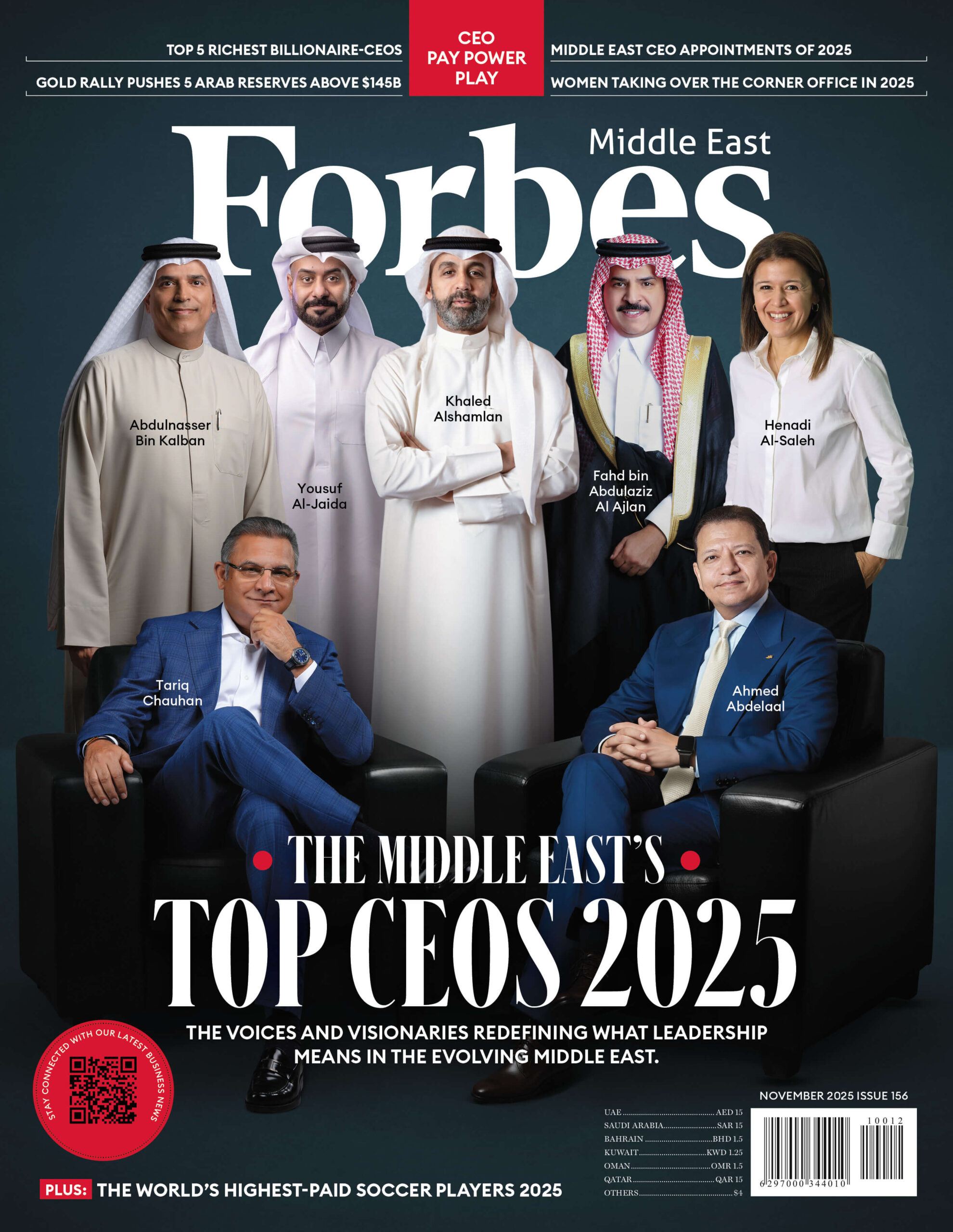
This story appeared in the November 2025 issue featuring the Top 100 CEOs in the Middle East ranking.
As Saudi Arabia accelerates the growth of its tourism sector under Vision 2030, local companies are reshaping their strategies to align with the country’s rapid transformation. Businesses are expanding hotel and real estate portfolios to meet the expected rise in visitors, whether for religious travel, leisure tourism, or major international events such as Expo 2030 in Riyadh and the FIFA World Cup 2034.
The Kingdom has set ambitious tourism objectives, targeting an increase in the sector’s contribution to gross domestic product to nearly ten percent. After surpassing its initial milestone by welcoming 100 million visitors in 2023, Saudi Arabia raised its goal to 150 million visitors by 2030. In 2024, the country welcomed 115.9 million tourists, including 29.7 million international visitors and 86.2 million domestic travelers, generating total tourism spending of 75.7 billion dollars. International tourism for nonreligious purposes accounted for 59 percent of inbound travel, driven primarily by leisure and holiday visits.
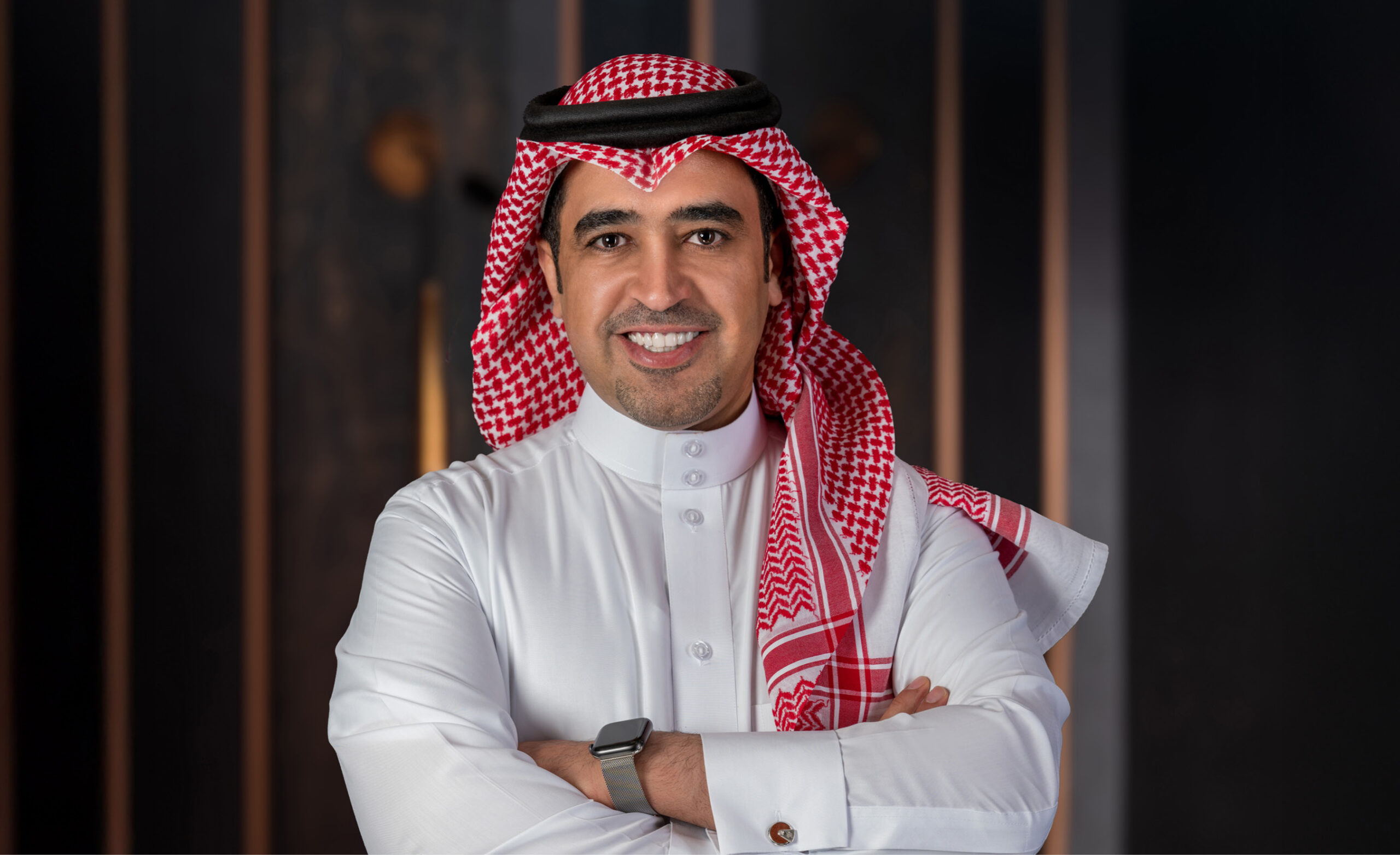
Saudi Arabia is positioning itself as a global investment destination, as Vision 2030 has opened new opportunities for investors, says Sultan Al Otaibi, Chief Executive Officer of Taiba, a leading Saudi hospitality and real estate group. Taiba manages 40 hotel and real estate assets with approximately 8,000 rooms across seven cities including Riyadh, Jeddah, Makkah, Madinah, Al Jubail, Al Khobar, and Tabuk. As of November 6, 2025, the company’s largest shareholders include the Al Issa family through Assila Investments, Mohammed Al Issa, the Public Investment Fund, and AlSalehat Investment. Taiba’s properties have welcomed more than 2.5 million guests as of 2024 and operate under local brands such as Makarem Hotels, Nur by Makarem, and Dur Communities, alongside global hospitality partners including Hilton, IHG, Marriott International, and Accor.
Matthew Green, Head of Research at CBRE MENA, highlights that Saudi Arabia’s target of attracting 70 million international visitors by 2030 underscores tourism’s role as a key economic driver. He notes that demand will span luxury destinations such as The Red Sea Project and Amaala, entertainment focused developments like Qiddiya, and mid market accommodations for religious travelers in Makkah and Madinah, as well as leisure tourists in Jeddah and AlUla. This creates opportunities for developers to build integrated destinations combining hotels, retail, leisure, and residential offerings.
Taiba has already taken significant steps to align with this growth, most notably through its acquisition of Dur Hospitality in a share exchange transaction valued at 725.3 million dollars. This expansion reflects Vision 2030 objectives and rising market demand, says Al Otaibi. He adds that increased Hajj and Umrah capacity, along with major developments such as the King Salman Gate project in Makkah, are driving the need for new hotel supply. Taiba is also expanding in cities that will host major global events, particularly Riyadh, which will host Expo 2030, much of the FIFA World Cup 2034, and AFC Asian Cup matches in 2027. Riyadh is also home to landmark developments including King Salman International Airport, King Salman Park, Diriyah Gate, Qiddiya, and New Murabba. The company is also strengthening its presence in Makkah, which is seeing heightened real estate and infrastructure development.
Taiba completed its acquisition of Dur Hospitality in November 2023, after which Dur was delisted and its portfolio was fully integrated into Taiba. This transaction increased Taiba’s assets by 119 percent, rising from 1.2 billion dollars in 2022 to approximately 2.5 billion dollars by the end of 2023. Over the past two years, revenues grew from 88 million dollars to 351 million dollars, while net profits attributable to shareholders rose from 37 million dollars to 89 million dollars. The company’s market capitalization also increased significantly, reaching 2.8 billion dollars by October 2025.
Alongside merger integration, Taiba invested 880 million dollars across eight new developments that will add approximately 2,500 rooms to its portfolio. Several of these projects are already in soft opening stages, with most expected to be fully operational by the end of the year, according to the CEO. Key additions include the Rixos Obhur Jeddah Resort, the first Rixos property in Saudi Arabia, featuring 247 villas along the Red Sea coast, and the Makarem Burj Al Madinah Hotel near the Prophet’s Mosque with 364 rooms.
Upcoming openings include Novotel Madinah with 394 rooms and Crowne Plaza Riyadh Al Takhassusi offering 302 rooms and suites. The Sheraton Taiba Hotel in Madinah is scheduled to open in 2026 with 436 rooms located close to the Prophet’s Mosque. Taiba is also investing in operational infrastructure, including a large logistics center in Madinah that will provide staff accommodation and central kitchen facilities.
According to Sarah Gasim, Senior Vice President and Head of Hotels and Hospitality for Saudi Arabia at JLL, developers must shift from a build and sell mindset to a build and operate model to remain competitive. This approach prioritizes experience driven hospitality, strategic partnerships, talent development, localization, environmental and social governance integration, smart technologies, and the use of new freehold ownership regulations supported by increasing market transparency.
She identifies strong opportunities in heritage and cultural destinations such as AlUla, Diriyah, and Historic Jeddah, coastal mixed use developments across the Red Sea and Eastern Province, and secondary cities supporting pilgrim driven growth including Abha, Taif, Baha, Hail, Makkah, and Madinah.
This strategy aligns closely with Taiba’s direction. While expanding its portfolio of local brands, the company continues to deepen partnerships with global hotel operators. These collaborations provide operational expertise and international standards, says Al Otaibi. Taiba works with Marriott International, IHG, Accor, and Hilton, including an agreement signed in 2024 for Hilton to manage the first Waldorf Astoria in Madinah, supported by Sharia compliant Murabaha financing valued at 113.3 million dollars.
In July 2024, a Taiba subsidiary signed an agreement with Marriott International to operate a new hotel within the stc Square development in Riyadh. The project will feature 159 rooms, entertainment facilities, and multi use meeting spaces, funded through a combination of internal resources and bank financing. Taiba also owns undeveloped land in Madinah and Riyadh, much of which is now progressing through advanced planning stages. In Riyadh alone, the company holds between 70,000 and 80,000 square meters in prime locations.
Beyond new developments, Taiba continues to reinvest in existing properties to modernize assets and enhance guest experiences. The company also operates the Marriott Riyadh Diplomatic Quarter, the Kingdom’s first certified green hotel, along with residential apartments and villas in the same district.
An industry veteran with more than 25 years of experience, Al Otaibi began his career at Dur Hospitality, holding multiple roles before becoming Chief Executive Officer in 2019. Following the merger, he assumed leadership of Taiba. His career has spanned finance, development, operations, and partnerships, overseeing the launch of numerous hotels and large scale projects across the Kingdom.
For Al Otaibi, the most important leadership lesson is empowering teams and fostering passion. He emphasizes that success depends on adaptability, continuous learning, and the ability to grow from experience. Reflecting on the sector’s transformation, he notes that Saudi Arabia’s tourism journey is only beginning, and by 2030, tourism is expected to become the Kingdom’s second largest contributor to gross domestic product after oil, with hospitality at its core.