Rapid advances in medical science are transforming healthcare, with women’s health emerging as one of the most dynamic and impactful fields in the Middle East. From regenerative medicine and stem cell therapies to advanced breast surgery, the focus is shifting from simply treating disease to improving women’s quality of life and empowering them as active participants in their own care.
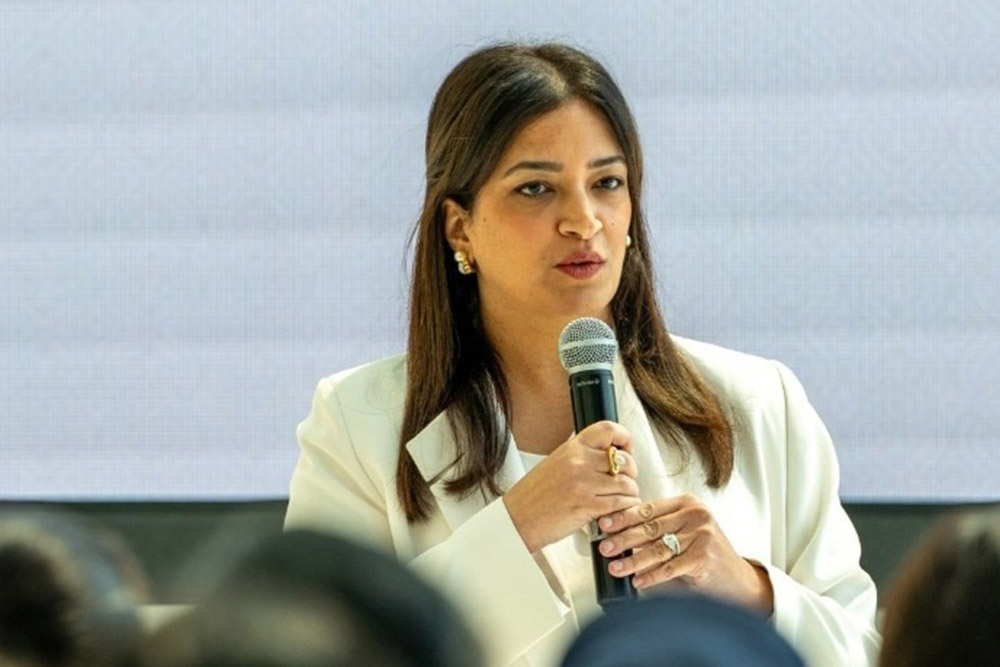
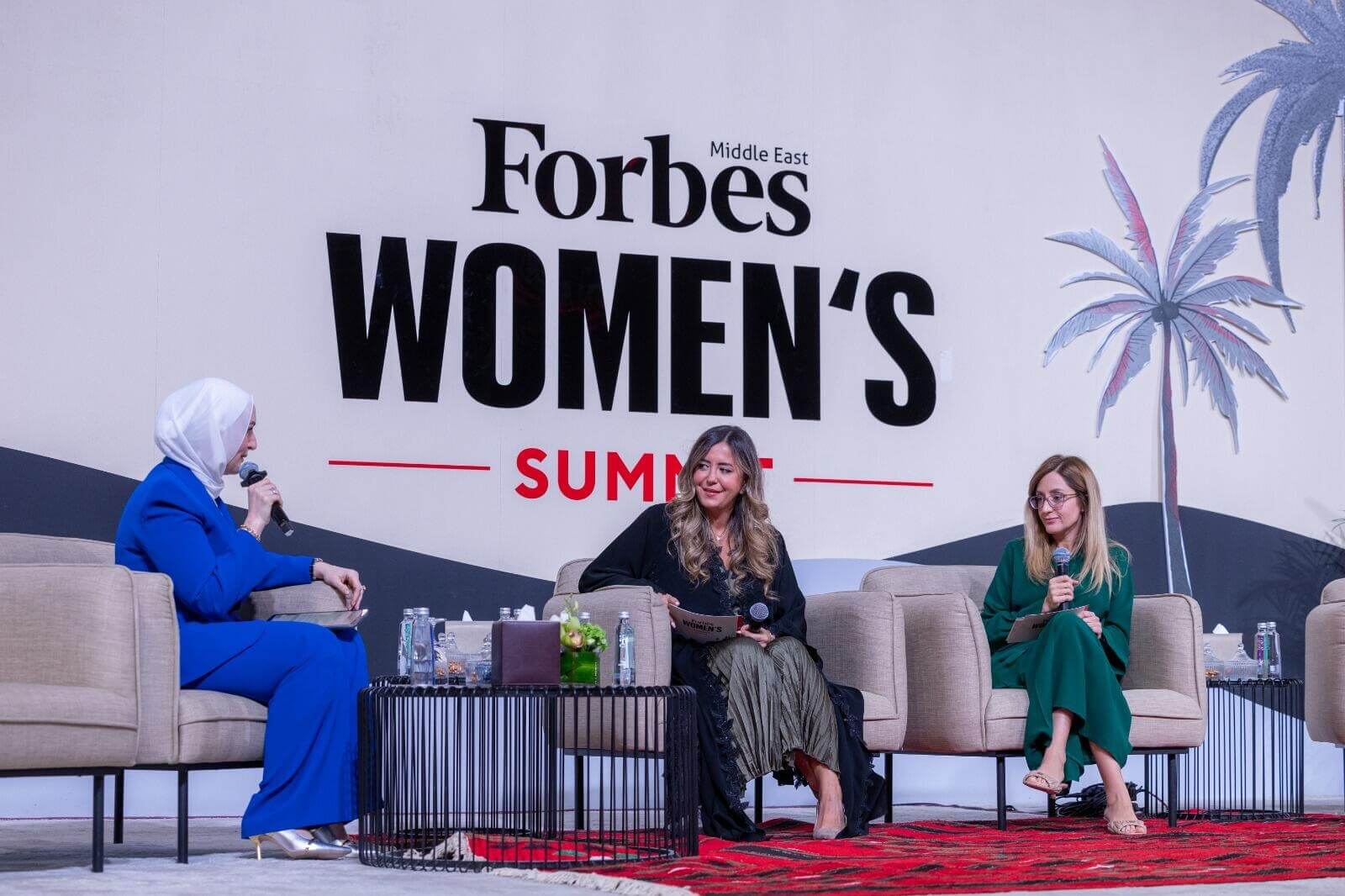
The third Forbes Middle East Women’s Summit spotlighted this topic, with experts exploring how innovation and human centered care are transforming the future of women’s health. The panel featured Dr. Marian Khatib, chief of the Breast Cancer Centre and consultant in breast and oncoplastic surgery at the American Hospital Dubai, and Alia Abdel Razeq, chief operating officer at CellSave Arabia. The session was moderated by Dahlia Jabari, group marketing director at the American Hospital Dubai.
Innovation reshaping surgery
Dr. Khatib highlighted how advances in breast medicine and surgery are redefining patient care. “The goal is no longer limited to treating breast cancer, but to empowering women and involving them at every stage of the care journey,” she said. Oncoplastic surgery, reconstructive procedures, and robotic surgery now combine clinical treatment with confidence and well being, she explained, reframing recovery as a holistic process that includes emotional health.
She also noted that women in the region are increasingly open to screening and early detection, signaling a shift in societal attitudes toward breast health. “Awareness of breast cancer is no longer widely seen as a taboo subject,” Dr. Khatib said. Still, she stressed that broader outreach and ongoing support remain essential, emphasizing that empowerment begins with knowledge and normalized conversations about women’s health.
Regenerative medicine and women’s empowerment
Abdel Razeq discussed the growing role of regenerative medicine, which she said remains poorly understood despite its transformative potential. “Regenerative medicine represents a shift from reactive treatment to preventive and proactive care, by enhancing the body’s natural ability to regenerate rather than relying solely on conventional therapies,” she explained.
She highlighted the impact of stem cell treatments on women, which rely on reprogramming the body using a woman’s own cells. These cells, Abdel Razeq said, are among the most powerful mechanisms for internal regeneration, supporting organs such as the ovaries and lungs, and improving skin and overall quality of life.
Sharing her personal experience, Abdel Razeq recounted being diagnosed with a serious endometrial condition that could have affected her fertility. After a year of stem cell therapy through intravenous injections, she gradually recovered. “This experience highlighted the potential of regenerative medicine for both health and fertility,” she said, emphasizing how innovation can directly enhance women’s well being.
Science meets human centered care
Both speakers emphasized that technological innovation must be paired with human centered care. “Science cannot be separated from the human dimension of medical practice,” Dr. Khatib said, noting that empathy and understanding each patient’s personal context are integral to treatment. “Physicians treat not only disease but individuals with their own stories and circumstances.”
Abdel Razeq added that even with the rise of artificial intelligence and digital tools, women continue to need reassurance and emotional support throughout treatment. “No technology can replace this element, regardless of how advanced it becomes,” she said.
Looking to the future, both experts stressed the importance of empowering women through awareness and informed decision making. They emphasized that women should be active participants in their care, able to make choices that reflect their needs and preferences rather than passively accepting medical guidance.
The session painted a clear vision for the next phase of women’s health in the region, one where medical innovation, preventive care, and empathy intersect. As Dr. Khatib and Abdel Razeq highlighted, women are no longer passive recipients of care, they are partners, shaping the future of their own health and setting the stage for more empowered generations to come.
Translated by: Ahmed Elwy