Radu Topliceanu, Global Head of NEO at Mashreq, explores how UAE residents are reshaping their financial habits through digital innovation and a more mindful approach to money management.
Across the UAE, a clear shift in financial behavior is underway. Faced with rising living costs, global economic uncertainty, and lessons learned during the pandemic, residents are becoming more cautious about how they spend and save. Many households are moving away from short-term consumption and focusing instead on long-term stability, reflecting a stronger commitment to financial discipline, security, and independence.
This shift goes beyond a temporary response to inflation. It points to a growing cultural awareness around financial planning. Across income levels and professions, individuals are paying closer attention to managing risk and structuring their finances to support long-term goals.
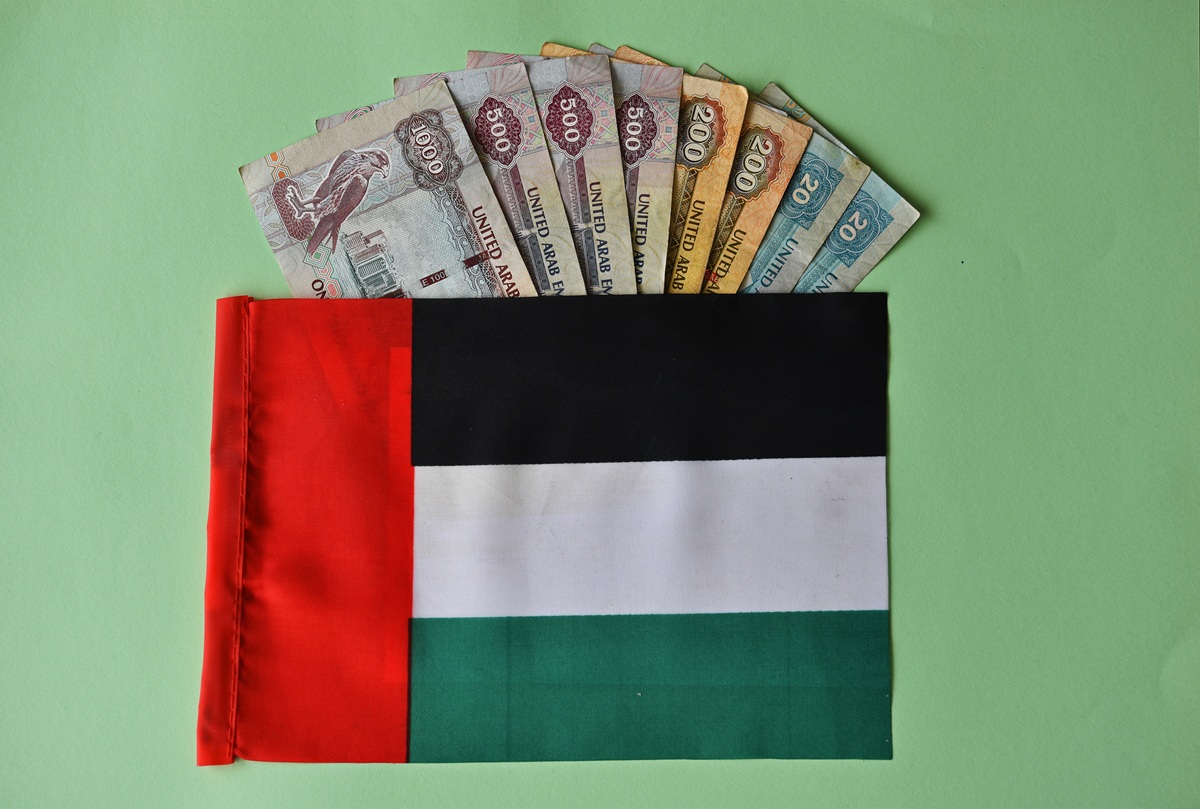
Recent figures underline this trend. Resident deposits have increased significantly, reaching $762.4 billion (AED 2.8 trillion) by the end of the third quarter of 2025, representing a 12.9% year-on-year rise. Surveys also indicate that nearly half of UAE residents have increased their bank balances over the past year.
This move toward caution is deeply rooted in experience. During the COVID-19 pandemic, many households encountered sudden job losses, salary reductions, and heightened financial uncertainty. Although the economy has since recovered, the memory of that instability has lingered and continues to influence financial decision-making.
Passive income gains momentum
As saving habits strengthen, a second trend has emerged: the pursuit of supplementary income. Increasingly, residents are looking for ways to generate additional earnings beyond their primary employment. Some are seeking to offset rising expenses, while others are working toward greater financial independence.
Real estate investment remains popular, particularly in Dubai, where strong rental demand offers attractive income potential. Others are turning to dividend-paying stocks or exchange-traded funds to create steady returns. Today’s digital platforms make it easier than ever to invest locally or internationally, explore diversified investment plans, or select insurance products with an investment component.
Entrepreneurial activity is also growing. Some residents are launching small online businesses, while others are offering services or specialized skills through freelance platforms. In every case, the objective is the same: to reduce reliance on a single income source and build greater financial resilience.
From freelancing to content creation
There are several practical ways UAE residents are earning extra income. Freelancing is among the most accessible. Professionals in fields such as writing, design, tutoring, and consulting are taking on part-time projects through regional and global platforms, allowing them to supplement income without disrupting their main careers.
Online retail is also expanding, with residents launching home-based businesses and selling products through social media and e-commerce channels. For those with creative skills, content creation has become another viable income stream. Blogs, educational platforms, and social media accounts can generate advertising or sponsorship revenue when grown consistently over time.
Underlying all these efforts is the importance of a strong savings foundation. For many, a well-structured savings account is the first step toward taking control of personal finances. Separating savings from daily spending encourages discipline, improves clarity, and provides a buffer against unexpected expenses. While interest rates may be modest, the real value lies in the structure and security such accounts provide.
A more intentional financial culture
Financial planning itself has become more accessible thanks to user-friendly digital tools. These tools help residents track spending, understand saving potential, and monitor progress toward goals such as home ownership or retirement. By visualizing how money moves and grows, individuals can make smarter spending, saving, and investment decisions, turning long-term ambitions into achievable plans.
Taken together, these trends paint a picture of a more financially conscious society. UAE residents are no longer waiting for crises to expose vulnerabilities. Instead, they are planning ahead, creating backup strategies, and adopting habits that help them stay resilient amid uncertainty.
This shift is also redefining how success is measured. Beyond lifestyle and consumption, there is a growing preference for simplicity, stability, and sustainability. As more people take ownership of their financial future, they are laying the foundations for a society that is more resilient, self-aware, and confident in navigating change.