This feature appeared in the May 2025 issue highlighting the World’s Richest Arabs and the Top 100 Arab Family Businesses.
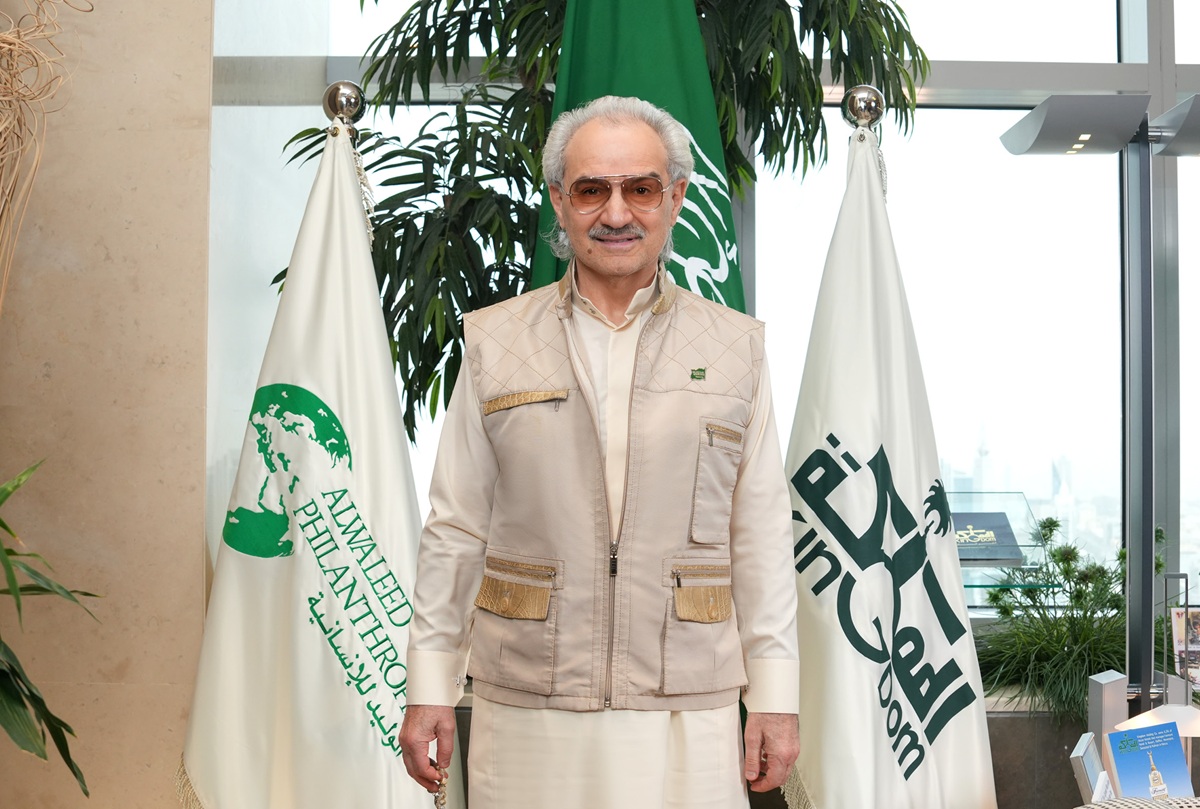
On a sweltering April afternoon in Riyadh, Prince Alwaleed bin Talal Alsaud is exactly where one would expect him to be—at the summit of the Kingdom Centre skyscraper, inside the expansive offices of Kingdom Holding Company. He is also back where he believes he belongs in another sense: at the top of Forbes Middle East’s Arab billionaires ranking, a position he had been absent from for seven years. With Saudi billionaires returning to the global rich lists for the first time since 2017, the prince is characteristically gracious about his reappearance. “Better late than never,” he says.
The 66th floor of the Kingdom Centre is anything but ordinary. Walls are adorned with flags and towering photographs of Prince Alwaleed alongside monarchs, presidents, and global leaders. Awards and recognitions fill tables across the space, while two grand meeting rooms frame the foyer, each displaying scale models of the upcoming Jeddah Tower—set to become the world’s tallest building at one kilometer when completed.
From his private office, Prince Alwaleed oversees a vast empire. His philanthropic arm, Alwaleed Philanthropies, has contributed more than $5 billion to charitable causes. His personal assets are estimated at approximately $7.6 billion, including high-value jewelry and a private aircraft and yacht. His public investments include multibillion-dollar holdings in Kingdom Holding Company, significant stakes in X and xAI, and a sizable position in Snap. As of March 7, 2025, his net worth stood at $16.5 billion.
Founded in 1980, Kingdom Holding Company has grown into a diversified investment conglomerate with assets valued at $19 billion across 18 sectors. Its core businesses span equity investments, hospitality, and real estate. The group holds interests in global hospitality brands such as Four Seasons, Accor, and Raffles; financial institutions including Citigroup and Legal & General; and ecommerce leaders such as Alibaba and JD.com. As of April 2025, Prince Alwaleed owned just over 78% of the company, having sold a significant minority stake to Saudi Arabia’s Public Investment Fund in 2022, with an additional portion listed on the Saudi Exchange.
The company’s market capitalization approached $9 billion in April 2025. One of its key assets, budget airline Flynas—37.2% owned by Kingdom Holding—was preparing for a major public listing that could raise at least $2 billion. Yet despite these developments, the prince’s attention has been firmly fixed on technology, particularly his investments in X and xAI, and his close association with Elon Musk.
Prince Alwaleed has remained a major shareholder in X since Musk’s acquisition in 2022, choosing not to exit during the takeover. In 2024, Kingdom Holding also invested $800 million in Musk’s AI venture, xAI. In March 2025, Musk announced the merger of X and xAI in an all-stock transaction, a move Prince Alwaleed strongly supported. By May, the combined entity was valued at an estimated $125 billion, with the prince estimating his stake to be worth between $4 billion and $5 billion.
“I supported the merger because it made strategic sense,” he explains. “xAI is now leading the way with its Grok platform. Although it arrived later than some competitors, it is advancing rapidly.” He adds that Musk’s track record across industries has reinforced his confidence in the partnership.
Prince Alwaleed has also expressed interest in potential opportunities involving TikTok’s U.S. operations, should ownership changes occur, although discussions have yet to progress meaningfully.
Beyond business, geopolitical developments have also captured his attention. Reflecting on U.S.–China trade tensions, he emphasizes the importance of dialogue and negotiation, expressing optimism that reason will ultimately prevail between global powers.
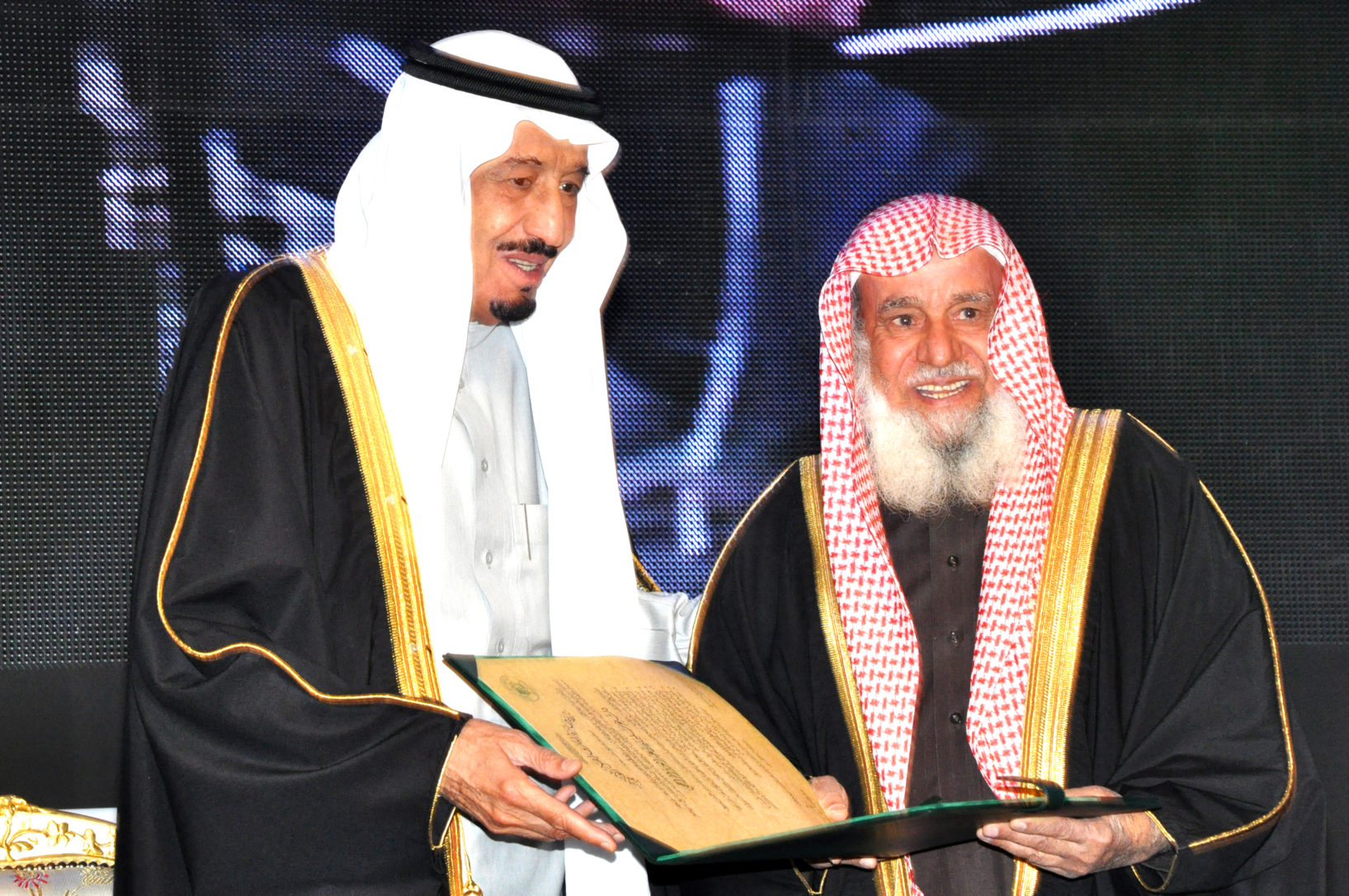
With more than four decades spent among the world’s most influential figures, Prince Alwaleed speaks from experience. A member of Saudi Arabia’s royal family and one of the region’s most prominent investors, he counts global business leaders among his peers and is a regular presence at high-profile international events. His longstanding commitment to philanthropy has also earned recognition from world leaders.
Born in 1955, Prince Alwaleed is the grandson of Saudi Arabia’s founding king and Lebanon’s first prime minister. After studying military science and business administration in Saudi Arabia and the United States, he returned home to establish what would become Kingdom Holding with modest seed capital. His early focus on real estate during the oil boom years laid the foundation for later success in banking, hospitality, media, and global investments.
One of his most defining moments came in 1991 with a major investment in Citigroup, a relationship that continues to this day. Throughout the 1990s and early 2000s, he built an expansive international portfolio spanning hotels, media companies, real estate developments, and entertainment ventures. By 2004, he ranked among the world’s wealthiest individuals.
Often referred to as the “Warren Buffett of the Middle East,” Prince Alwaleed embraces the comparison. He describes a shared investment philosophy with Buffett and says they remain in regular contact to exchange views on markets and global trends.
After a period of absence from global rankings following events in 2017, Prince Alwaleed’s return in 2025 marks a renewed chapter—for both him and Saudi Arabia. As the kingdom advances toward its Vision 2030 goals, he highlights tourism, mining, and taxation as vital contributors to economic diversification, while maintaining that oil will remain a cornerstone of the global energy mix for decades to come.
At 70, Prince Alwaleed continues to maintain a demanding routine, often working late into the night. Yet he says his priorities are firmly grounded. “First, I am a Muslim, then an Arab, then a Saudi,” he reflects. “Wealth fluctuates, but values, ethics, and duty endure. Everything comes from God and returns to God.”