Saudi Arabia Sets Sights on Becoming a Global Tourism Hub
Saudi Arabia has long been an enigma for international travelers, but the Kingdom is aiming to change that perception with ambitious reforms designed to transform it into a major tourist destination.
Historically, leisure tourism from outside the Gulf Cooperation Council (GCC) was limited. But under the vision of Crown Prince Mohammed bin Salman, tourism is poised for a major economic boost.
In 2016, the direct contribution of travel and tourism to Saudi Arabia’s GDP was SAR 78.8 billion ($21 billion), or 3.3% of total GDP, according to the World Travel and Tourism Council (WTTC). This figure is forecast to rise by 2.9% in 2017, driven largely by religious tourism.
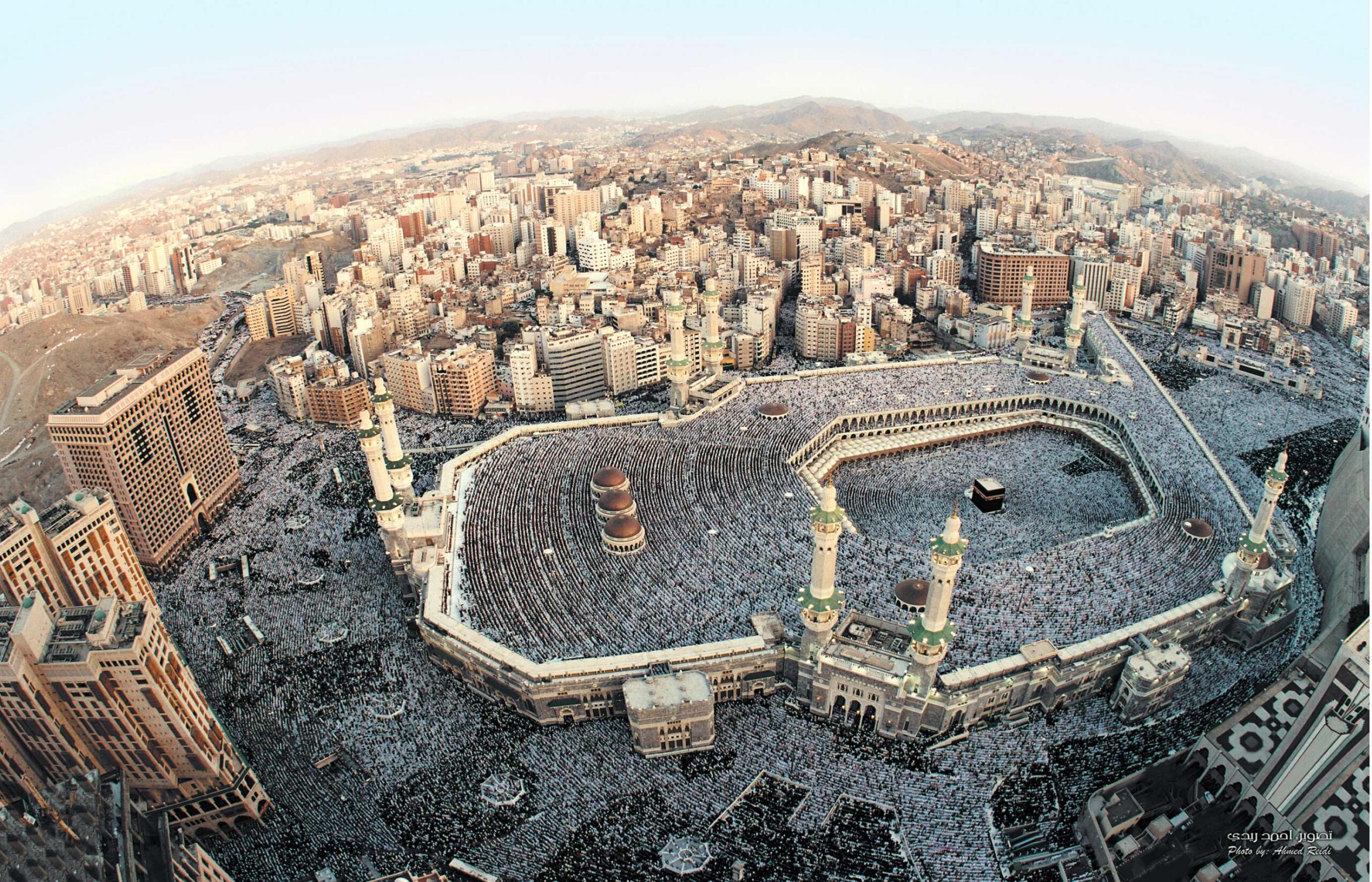
“Religious tourism—primarily Hajj and Umrah—is the cornerstone of tourism in Saudi Arabia, given restrictions for non-Muslims,” says Raphaele Auberty, Country Risk Analyst at BMI Research. As part of Vision 2030 and the National Transformation Program 2020, the government plans to increase Hajj pilgrims from 1.5 million to 2.5 million by 2020 and Umrah pilgrims from 6 million to 15 million, with a longer-term goal of 30 million by 2030.
Infrastructure to match ambition
To accommodate growing visitor numbers, Saudi Arabia is investing heavily in infrastructure. High-speed trains between Mecca and Medina, a metro in Mecca, and luxury resorts are all in development to ensure a smooth visitor experience.
“Religious tourism is already a key component of the non-oil economy, and it will become even more important as the government invests in the sector,” Auberty notes.
Beyond religious tourism
Experts believe that broadening the tourism sector could unlock additional economic value. Hazem Galal, PwC Middle East Partner and Global Leader for Cities and Local Government, explains:
“Tourists visiting for meetings, exhibitions, eco-tourism, and cultural experiences create diverse value propositions beyond religious tourism.”
A case in point is the Red Sea luxury resort project, announced last year. Covering 34,000 sq. km of coastline and 50 islands between Umluf and Alwajh, the development will feature hotels, resorts, residences, and transport hubs. Developed by the Public Investment Fund (PIF), the first phase—including luxury accommodations and infrastructure—is scheduled for completion by 2022.
Investment opportunities
International companies are taking note. Kamel Ajami, Hilton Vice President for KSA & Levant, says:
“These projects have created a great deal of interest from investors. Saudi Arabia is now our largest market in the Middle East in terms of hotels open or in development.”
PIF will fund the initial stages but plans to collaborate with global companies, ensuring high standards in hospitality and infrastructure. BMI Research projects that luxury and domestic tourism will rise over the medium and long term as Vision 2030 reforms unfold.
Ajami adds:
“We are providing choice—hotels across upscale, mid-market, and luxury segments—making travel to the Kingdom accessible to a wider audience.”
Opportunities and risks
The Red Sea project is expected to generate SAR 15 billion ($4 billion) annually for Saudi GDP and create up to 35,000 jobs once operational.
Challenges remain, including competition from mature tourism markets like the U.A.E. To attract high-spending international tourists, Saudi Arabia will begin issuing tourist visas in 2018, which will exempt visitors from strict dress codes and alcohol bans at resorts.
Galal emphasizes perception as a key factor:
“The world needs to think of the Kingdom as a tourism hub. Saudi Arabia must improve accessibility, increase flights, and enhance airport experiences. A combination of these factors will provide a better overall experience.”
He cautions that a measured approach is crucial:
“It’s very important to get the balance right and not over-develop. Done properly, this could be a game-changer.”
As the Kingdom gradually opens its doors to leisure travelers, Saudi Arabia could emerge as one of the most dynamic and luxurious tourist destinations in the Middle East.