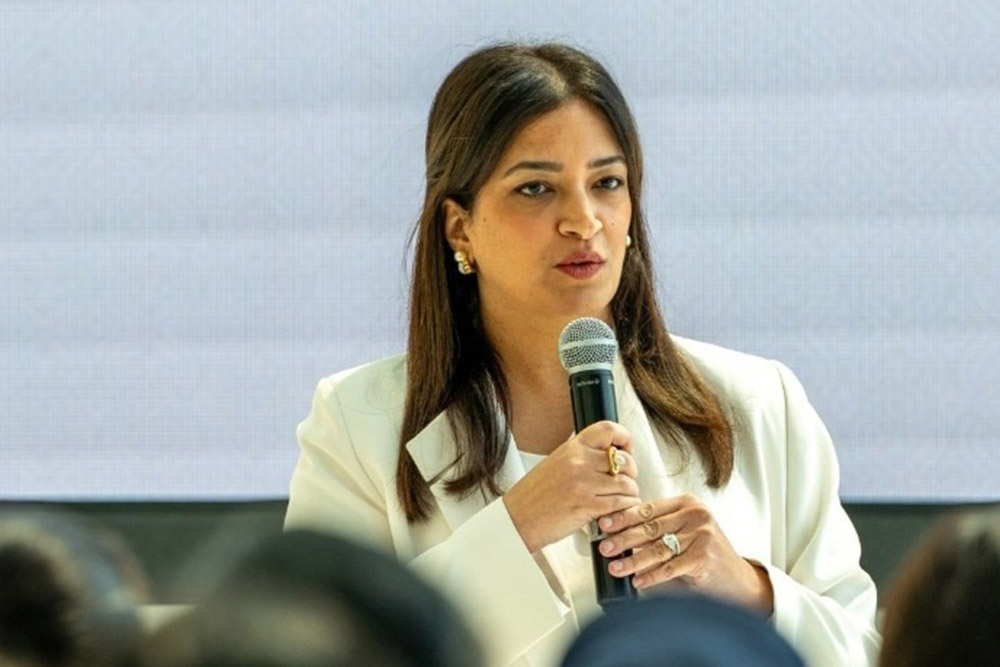
British energy giant BP has appointed Meg O’Neill, currently CEO of Woodside Energy, as its next CEO, marking its first external hire for the position in over a century and the first woman to lead any of the world’s top five oil majors.
New CEO
The 55 year old O’Neill, an American from Colorado who previously spent 23 years at ExxonMobil, made a major impact at Woodside by leading a merger that doubled the company’s oil and gas production.
O’Neill will take over BP in April following the abrupt departure of Murray Auchincloss. She has headed Woodside since 2021 and previously orchestrated its merger with BHP Group’s petroleum arm, creating a top 10 global independent oil and gas producer valued at $40 billion.
The merger also enabled Woodside to expand into the US, where it is developing a major Louisiana LNG project amid a market facing potential oversupply.
BP announced her appointment on Wednesday, noting it as part of long term succession planning. Meanwhile, Woodside confirmed O’Neill would leave immediately, appointing executive Liz Westcott as acting CEO until a permanent replacement is named in the first quarter of 2026.
New BP Chair Albert Manifold, who took office in October, emphasized the need to reshape BP’s portfolio for greater profitability.
The appointment also comes amid pressure from activist investor Elliott Investment Management, a major BP shareholder, which welcomed the CEO change as a sign of the company’s willingness to act on cost cuts and divestments, a source familiar with the matter told Reuters.
BP’s Executive Vice President, Carol Howle, will serve as interim CEO. Auchincloss stepped down as BP CEO on December 18 but will continue in an advisory role until December 2026. He became CEO in 2024, taking over from Bernard Looney, who was fired for lying to the board about personal relationships with colleagues.
Leadership style
O’Neill introduced a more open management style, including making executive floors at Woodside’s Mia Yellagonga headquarters accessible to all staff.
A regular speaker at global energy events, O’Neill boosted Woodside’s ambitions, leading the $7.2 billion Trion oil development offshore Mexico and raising the company’s stake in Australia’s North West Shelf gas project.
She also made a strategic push into US LNG exports, acquiring a company that is now part of Woodside’s $17.5 billion Louisiana LNG project. In November, she announced plans to raise Woodside’s sales by 50% by 2032 to 300 million barrels of oil equivalent, while strengthening the company’s trading team in Singapore and recruiting globally.
O’Neill has prioritized acquisitions over exploration, focusing drilling on brownfield projects connected to existing infrastructure rather than starting new developments.
Her move to BP could signal a fundamental transformation for the century old company after three tumultuous years.
Share performance
Woodside shares fell as much as 2.9% on news of O’Neill’s departure, while BP shares were up 0.3% as of 11:16 pm AST Arabia, lagging slightly behind a broader European energy index that rose 0.7%.
Despite underperforming peers, Woodside shares have risen roughly 10% during O’Neill’s tenure.
BP has long struggled with profitability and share performance compared with competitors like ExxonMobil. Earlier this year, the company scaled back billions in renewable energy projects and refocused on oil and gas.
BP plans to divest $20 billion in assets by 2027, including its Castrol lubricants unit, while cutting debt and operating costs.
Big numbers
BP invested more than 40% of its $16.2 billion expenditure in the US last year, aiming to boost US output to 1 million barrels of oil equivalent per day by the end of the decade.
Clean energy approach
Known for her direct approach, O’Neill has voiced frustration with regulatory delays in Australia, where approvals often require both state and federal clearance.
At Woodside’s recent capital markets day, she highlighted that regulatory hurdles delayed the development of the Browse gas fields, which would extend the North West Shelf LNG facility’s life by 40 years.
O’Neill has scaled back clean energy investments, leaving Woodside’s only major green project as a clean ammonia facility in Beaumont, Texas. This approach has drawn criticism from climate activists.