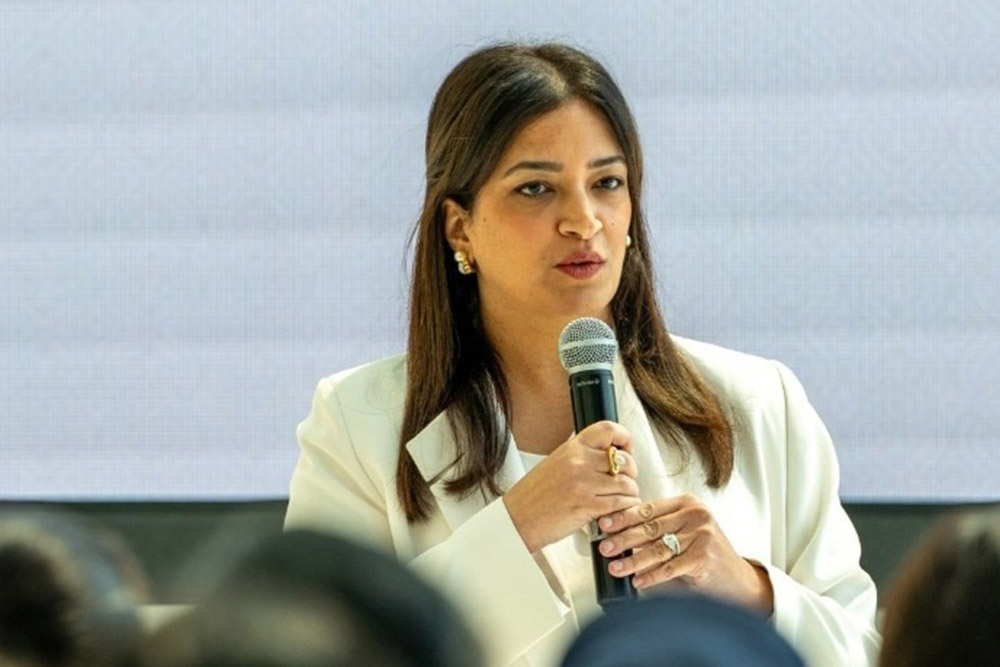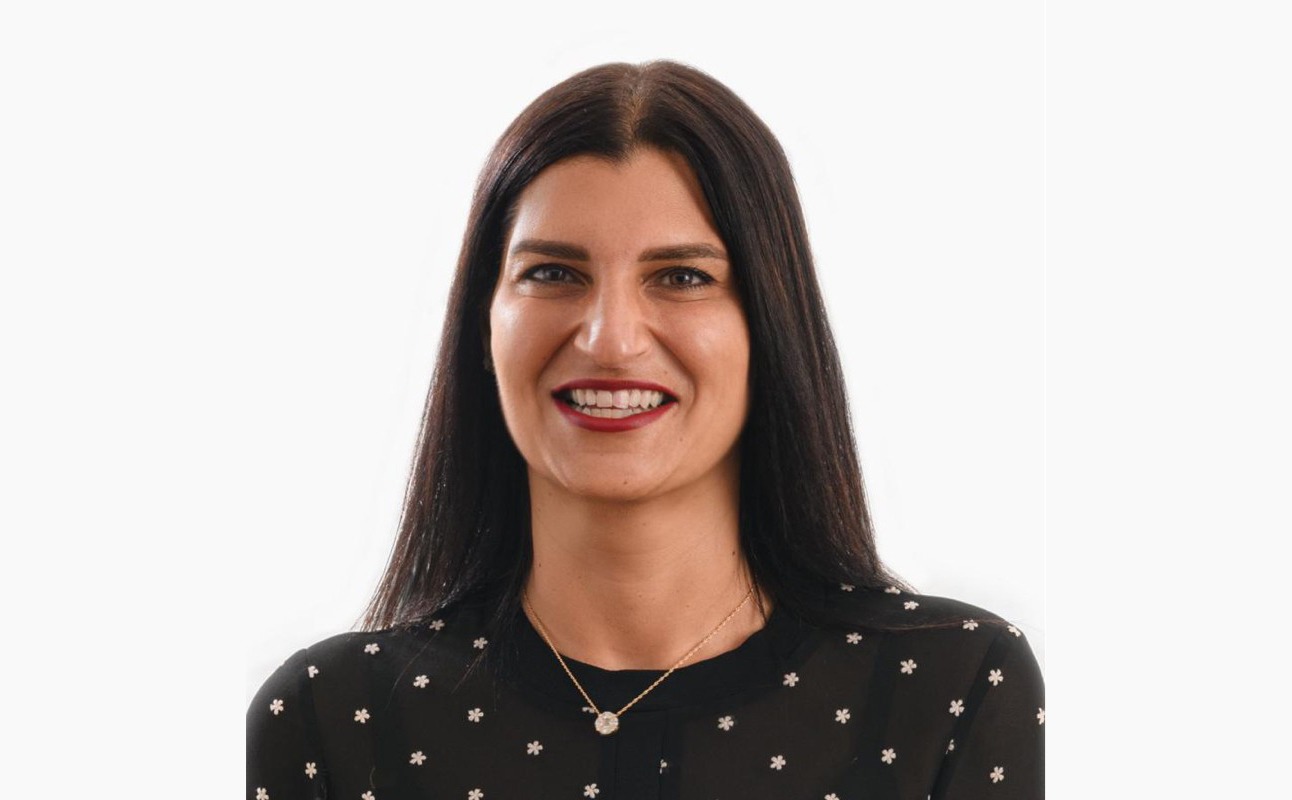
Egypt’s $12 billion sovereign wealth fund, TSFE, has named its Chief Strategy and Business Development Officer Noha Khalil as interim CEO, after Ayman Soliman’s resignation, the fund said in a statement on Tuesday.
Interim CEO
Soliman’s departure follows five years in the role, during which there was limited progress on the government’s ambitious privatization program.
The program, which includes selling stakes in state owned enterprises and banks, was a key condition of an $8 billion loan agreement with the International Monetary Fund (IMF) aimed at stimulating private sector growth.
Despite repeated commitments by Egyptian authorities, the privatization drive has faced delays, with numerous transactions still awaiting completion. Khalil will oversee The Sovereign Fund of Egypt’s (TSFE) operations until a permanent CEO is appointed.
The sovereign fund is key to the government’s strategy to attract foreign investment and reduce the state’s economic footprint. However, the slow pace of reforms has drawn criticism as Egypt grapples with economic challenges and looks to meet its IMF obligations.
IMF review
In its latest review on Monday, the IMF eased several conditions tied to its $8 billion financial support package for Egypt, offering the country additional time to implement key reforms. This decision comes after repeated delays in disbursements due to Egypt’s struggles to meet earlier benchmarks, particularly regarding a commitment to a flexible exchange rate.
The financial support package was initially agreed upon in 2022, but disbursements were postponed several times as Egypt failed to adhere to some of the stipulated conditions.
The latest review, which marks the third since the package’s expansion in March, shows that the IMF has agreed to postpone the publication of annual fiscal account audits by Egypt’s Central Auditing Organisation. Originally due by the end of March, the audits are now expected by the end of November, pending an amendment to the law governing the organization.
It also shows that the international body has granted a delay in the formulation of a plan to recapitalize the Central Bank of Egypt (CBE). This plan, which was initially scheduled to be drawn up by the end of April, has been pushed to the end of August to allow authorities more time to assess the necessary capital injection and devise an effective strategy.
The softening of these benchmarks highlights the IMF’s recognition of the economic pressures facing Egypt, particularly amid ongoing global financial uncertainties. The IMF board, which initially planned to approve the review on July 11, delayed its meeting until July 29, just days after Egypt raised fuel prices by up to 15%.
Big number
Egypt’s net international reserves touched $46.5 billion by the end of July, an increase of about $110 million compared to the previous month, according to data from the CBE.
This story was updated at 2:50 pm AST on Tuesday.
International Monetary Fund (IMF)