In a region where 86% of Oman’s drinking water comes from the sea as per a 2023 study by the French Institute of International Relations and urban populations are rapidly expanding, access to clean, affordable water has become a defining issue. Amid soaring temperatures, surging demand, and fast-depleting groundwater, Middle Eastern countries are investing heavily in water resilience placing desalination and circular resource management at the center of their sustainability agendas.
That urgency is reflected in the numbers: according to Veolia’s 2024 Barometer of Ecological Transformation, conducted in partnership with research firm Elabe, 64% of UAE residents believe the cost of inaction on climate change far outweighs the investment needed for ecological transformation. Moreover, 81% confirmed that climate disruption is already a reality in their lives.
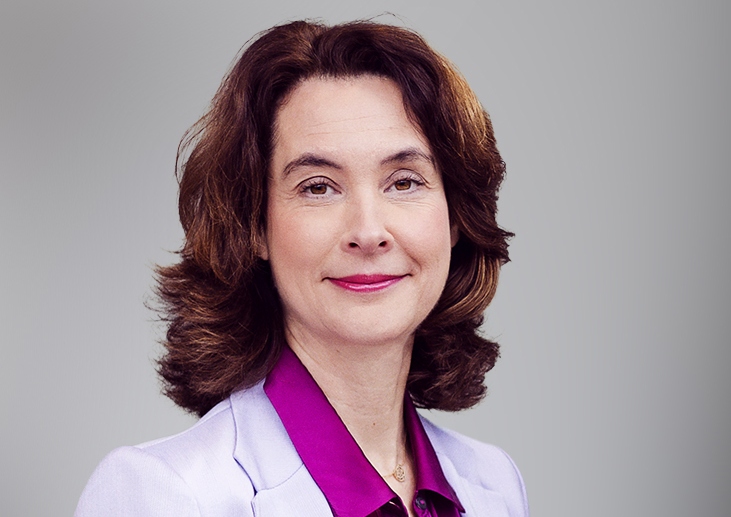
This heightened awareness is spurring demand not only for sustainable infrastructure but for companies that can deliver fast, scalable solutions. Enter Veolia and its Global CEO, Estelle Brachlianoff, recently named to the Forbes 2025 50 Over 50 Global list.
“What we’re witnessing is a fundamental shift in environmental consciousness,” Brachlianoff tells Forbes Middle East. “This isn’t just about awareness anymore it’s about urgency and demand for concrete solutions.”
A Strategic Bet on the Middle East
Under Brachlianoff’s leadership, Veolia has been doubling down on its regional footprint. The company now provides desalinated water to 15 million people across the Middle East and is targeting a 50% increase in regional revenue by 2030. This push comes as part of Veolia’s broader “GreenUp” strategy an industrial-scale commitment to ecological transformation that spans water, energy, and waste.
“We’ve doubled our size in the Middle East in just four years,” Brachlianoff notes. “That’s not just a business metric it’s a clear testament that our solutions are essential catalysts for regional development.” In Q1 2025, Veolia posted revenue growth of +3.9% to $12.66 billion and organic EBITDA growth of +5.5% to $1.86 billion.
A big part of that transformation lies in desalination. Veolia is already responsible for 18% of the world’s installed desalination capacity, and the company plans to double its operated capacity from 1.4 million cubic meters per day by 2030. In Oman, Veolia’s Sur desalination plant powered entirely by solar energy during the day produces 131,000 m³ of drinking water daily through 2036 and showcases innovations like the company’s proprietary Barrel™ system, a modular, energy efficient breakthrough that has reduced desalination costs by up to 5% and shrunk plant footprints by 25%.
Innovation That Scales—and Saves
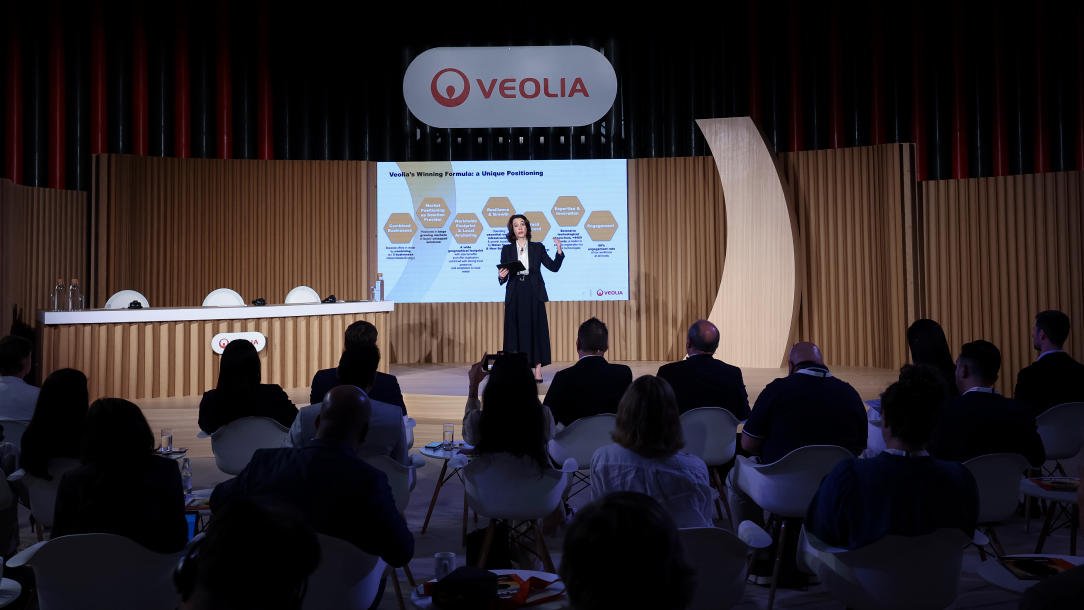
Veolia’s Thema: Sustainable Desalination meeting took place at Oman’s iconic Sur plant site in April 2025. Image by Veolia.
For Brachlianoff, innovation is only meaningful if it’s scalable, sustainable, and accessible. “We don’t create technology for technology’s sake,” she says. “We develop solutions that deliver tangible impact for our clients and transform communities.”
The Barrel™, described by Brachlianoff as “desalination in a box,” represents that philosophy. By slashing energy consumption by 1.5% and offering rapid deployment, it gives water-stressed nations a flexible tool for addressing urgent needs. Combined with AI driven performance tracking and digital membrane optimization, these innovations are redefining what’s possible in desalination.
“We’ve achieved what seemed impossible two decades ago reducing energy consumption by 85% while cutting costs to less than 50 cents per cubic meter,” she explains. “We’ve transformed desalination from an energy-intensive luxury into a sustainable, affordable solution for millions.”
Beyond Water: A Circular Vision
Veolia’s ambitions in the Middle East extend beyond desalination. The company is applying its circular economy expertise across energy and waste streams, leveraging partnerships to scale impact. In Jubail, Saudi Arabia, Veolia’s hazardous waste incineration facility sets regional standards for circular industrial operations. Meanwhile, through Enova its joint venture with Majid Al Futtaim Veolia delivers energy efficiency solutions to major clients including Dubai International Airport and Cleveland Clinic Abu Dhabi.
“What makes our Middle East strategy particularly powerful is how these different solutions work in synergy,” Brachlianoff explains. “Each project whether in water, waste, or energy reinforces our ability to deliver integrated environmental resilience.” This multi-pronged approach is helping regional governments align with national sustainability visions while also enabling industries to reduce strategic dependencies and improve operational efficiency. As Brachlianoff puts it: “Environmental security is no longer separate from economic or industrial security. They are now one and the same.”
Localizing Impact, Globalizing Expertise
With roots in the Middle East dating back to 1970, Veolia has long understood the importance of local context. Today, the company prioritizes local hiring, training, and procurement to ensure its solutions resonate with and are run by the communities it serves. “We operate as both a global powerhouse and a deeply local partner,” Brachlianoff says. “That dual identity isn’t just a business model it’s a powerful catalyst for change.”
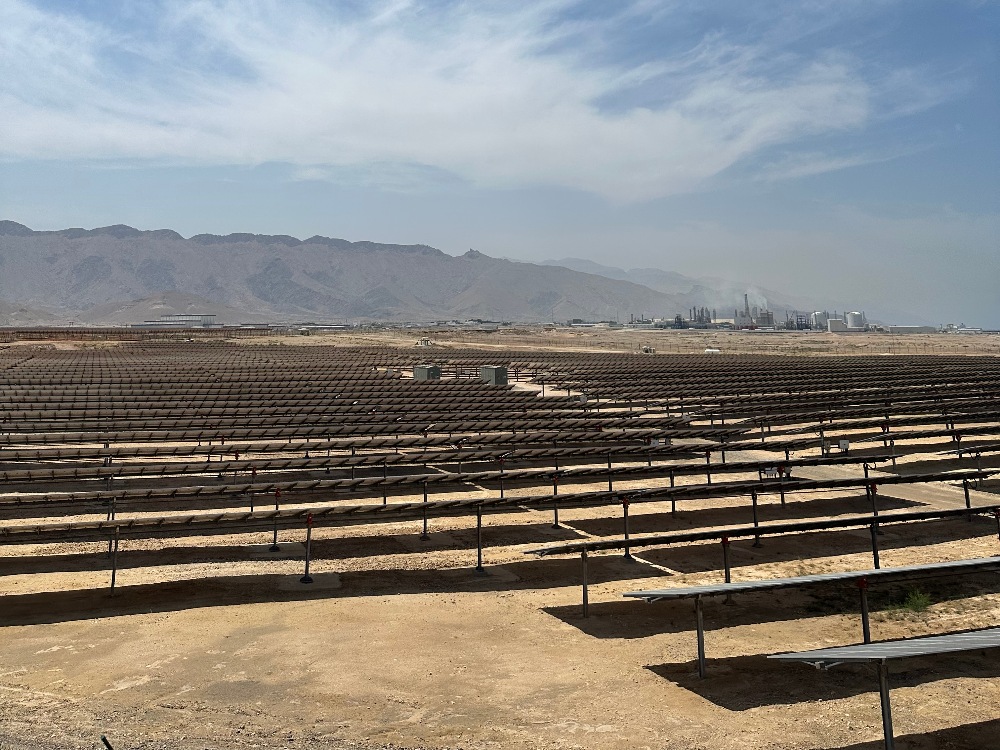
Veolia’s Sur desalination plant is powered entirely by solar energy during the day. Image provided.
This blend of global scale and local execution has earned Veolia both public and private sector trust. In May 2025, the company’s inaugural green bond issuance a €500 million raise was oversubscribed five times over, a sign of growing investor confidence in its long-term vision.
As Gulf nations commit to net-zero targets and invest billions into sustainable infrastructure, the pressure to deliver measurable outcomes on water and resource security is rising. With the UAE aiming for 95% clean water reuse by 2036 and Saudi Arabia targeting a 90% reliance on desalination for potable water by 2030, the region is at a critical inflection point. Veolia’s presence illustrates how private-sector expertise can align with national policy objectives particularly when backed by innovation, localization, and long-term investment. But scaling solutions will depend not just on technology, but on regulatory frameworks that incentivize circularity, reduce environmental externalities, and ensure access across growing populations.