Cancer researchers at Stanford University and the University of California San Francisco, now connected through the newly formed Weill Cancer Hub West, will work on engineering immune cells, studying weight loss drugs and advancing other cancer research efforts.
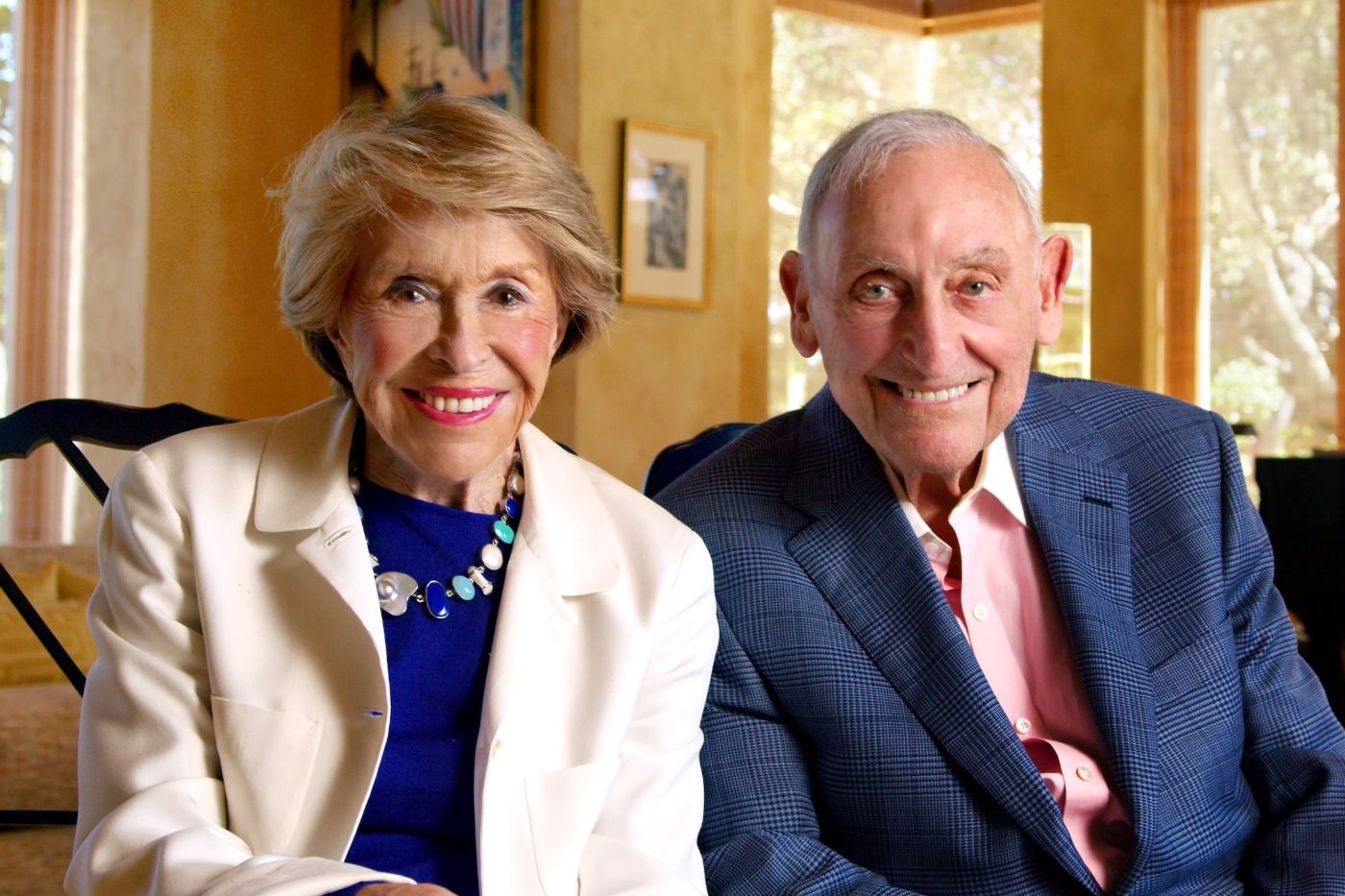
Sanford Sandy Weill, former CEO and chairman of Citigroup, and his wife Joan have long supported medical research across the United States. On Wednesday, Stanford University and UC San Francisco announced a one hundred million dollar gift spread over ten years from the Weill Family Foundation to establish a new cancer research hub focused on advancing treatment and innovation through four major projects.
The donation is structured as a matching grant with the goal of raising an additional one hundred million dollars for the initiative, known as Weill Cancer Hub West. The universities stated that one quarter of the matching funds have already been secured.
UC San Francisco Chancellor Sam Hawgood said this is a critical moment for cancer research due to advances in technology such as advanced computing and large scale genome sequencing of individual cells. He noted that these tools open opportunities that are too large for any single university to tackle alone.
Although cancer death rates have dropped by roughly one third over the past twenty five years, cancer cases continue to rise globally, with nearly twenty million new cases and about ten million deaths each year.
Sandy Weill, now ninety two years old, retired from Citigroup leadership in the early two thousands and now focuses primarily on philanthropy through the couple’s charitable foundation, which holds assets of approximately four hundred twenty five million dollars. He emphasized the importance of collaboration, stating that partnerships among talented researchers increase the chances of finding solutions.
One project under the Weill Cancer Hub West will focus on using the gene editing technology CRISPR to reprogram immune cells inside a patient’s body to target cancer. This would involve injecting CRISPR tools directly into patients to modify their immune response. Jennifer Doudna, who shared the Nobel Prize in Chemistry in two thousand twenty for her work on CRISPR, will participate in this effort.
Another project will focus on cellular therapy by creating personalized immune cells designed to attack solid tumors such as breast and pancreatic cancer. While cellular therapies have shown success in blood related cancers like leukemia and lymphoma, they have yet to achieve similar results in solid tumors. This project will be co led by Stanford cancer cell therapy expert Crystal Mackall and UC San Francisco professor Kole Roybal.
A third project will study the relationship between cancer, diet and medications, including popular weight loss drugs such as GLP one agonists. Researchers will examine whether these drugs may reduce cancer risk due to lower inflammation and will also study whether specific diets like ketogenic diets can slow cancer progression.
The fourth project will use artificial intelligence to analyze anonymized patient data including medical records, imaging and genetic tests to help identify the most effective treatments for individual patients. This approach may be especially useful for advanced colorectal cancer cases where there is no clear standard treatment.
Project leaders acknowledged that these efforts involve ambitious goals and significant risk but emphasized that meaningful discoveries are expected.
Planning for the use of the Weill family’s donation has been underway for two years. In late two thousand twenty three, researchers from both universities met to discuss possible collaborative efforts. Research proposals were submitted and selected through an open competition process. Stanford medical school dean Lloyd Minor expects the research to lead to measurable improvements in cancer diagnosis and treatment within a few years, noting rapid progress in therapies such as immunotherapy drugs.
The Weills have previously supported collaborative research initiatives. In two thousand nineteen, they launched the Weill Neurohub to fund neuroscience research across multiple universities. Earlier this year, they also committed fifty million dollars to establish the Weill Cancer Hub East, involving institutions such as Weill Cornell Medicine, Princeton University and Rockefeller University.
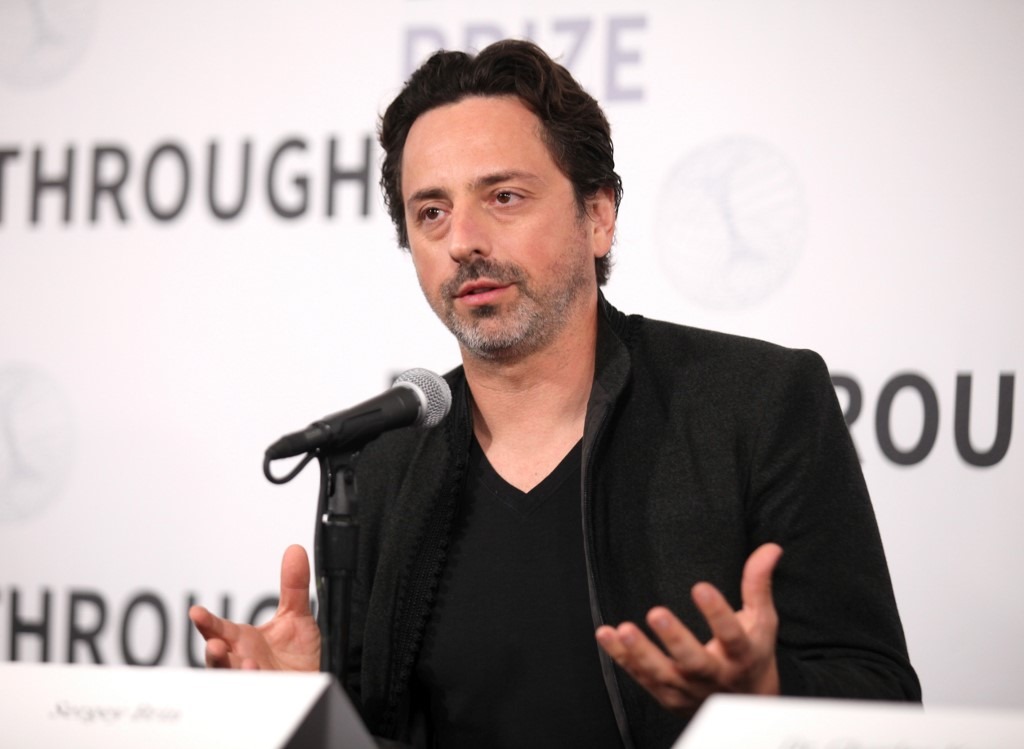
Other billionaire donors have supported similar collaborative research efforts, including Mark Zuckerberg and Priscilla Chan through the Chan Zuckerberg Biohub, Sean Parker through the Parker Institute for Cancer Immunotherapy, Sergey Brin through Parkinson’s research initiatives and Patrick Collison through the Arc Institute.
Researchers involved in the Weill Cancer Hub West say the gift will provide sustained momentum and stability, allowing them to continue pushing forward despite broader funding challenges.