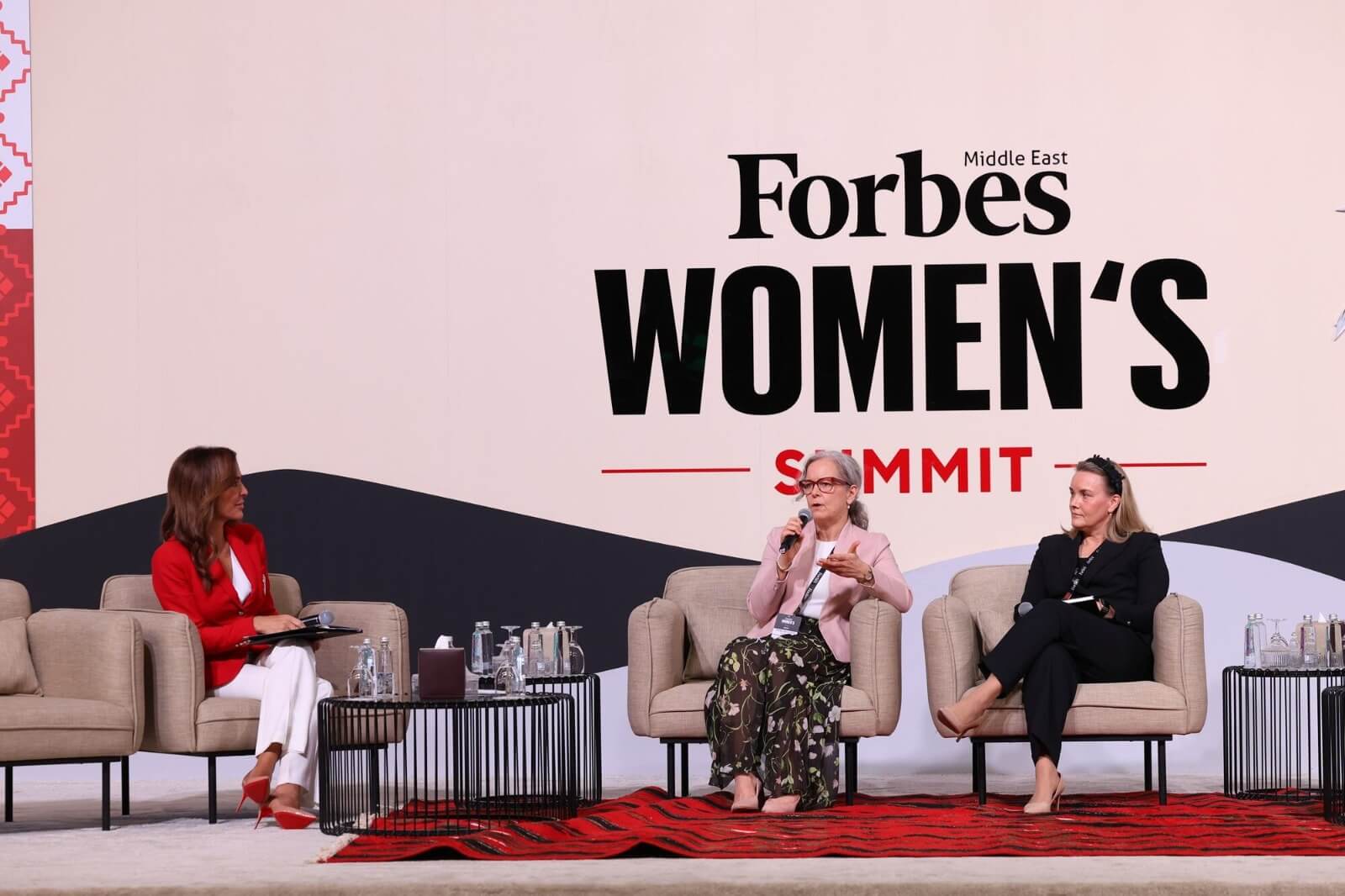
Women-led diplomacy is increasingly influencing how nations build stability, foster development and expand international cooperation. That shift was in focus at the Forbes Middle East Women’s Summit, where senior diplomats shared how experience, policy and education are shaping a more inclusive model of global leadership.
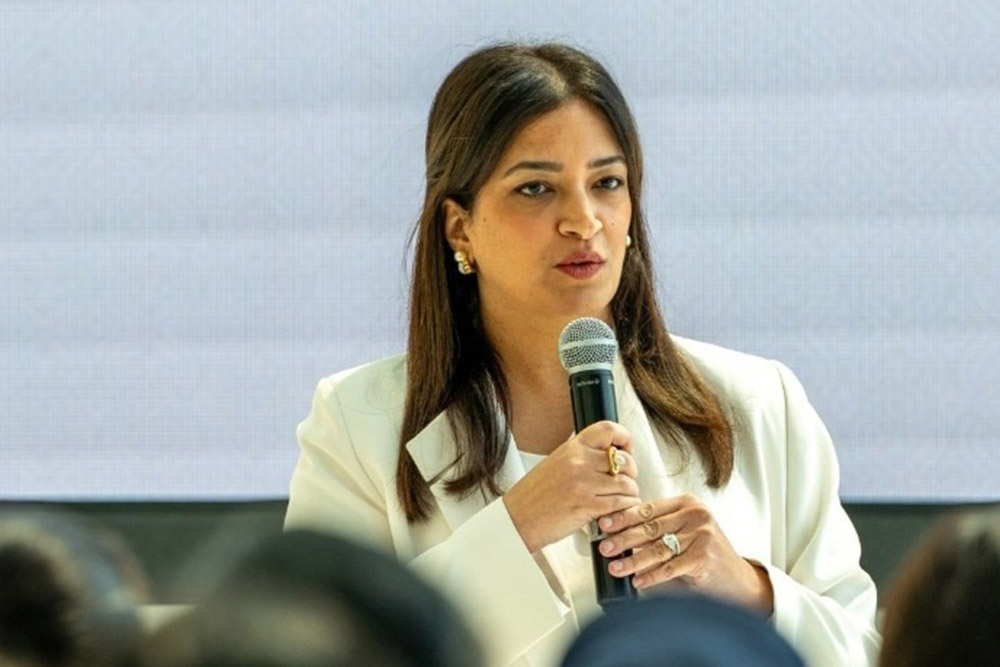
The panel brought together two ambassadors whose careers reflect modern diplomatic leadership: H.E. Petra Menander, Sweden’s ambassador to Saudi Arabia, Yemen and Oman, and H.E. Anu-Eerika Viljanen, ambassador extraordinary and plenipotentiary of Finland to Saudi Arabia. Together, they explored how empowering women in public service can translate into long-term economic and social gains across borders.
Policy foundations that enable women to lead
Menander opened the discussion by highlighting the structural policies that have helped Sweden achieve high levels of gender parity, particularly in leadership roles. Central to that progress, she said, is decades-long legislation that guarantees equal opportunity and criminalizes discrimination.
One of Sweden’s most transformative policies has been shared parental leave, which allows both parents to divide childcare responsibilities. This, Menander noted, has enabled women to pursue leadership roles without being forced to choose between career and family.
Within Sweden’s foreign service, leadership development programs also play a critical role. Menander described tailored training initiatives that help professionals assess their readiness for senior roles before stepping into management. “These programs have been especially impactful for women, offering clarity on balancing professional ambition with personal responsibilities, a process that influenced her own decision to pursue diplomatic leadership,” Menander added.
As Sweden’s first female ambassador to Saudi Arabia, Menander said she approaches her role as “Petra first,” rather than being defined by gender. At the same time, she acknowledged that being a woman has opened doors to engage across a wide spectrum of social and professional settings, including supporting a growing network of female leaders through Saudi-Swedish cooperation initiatives. She also emphasized the importance of solidarity among women ambassadors in Riyadh, describing those relationships as both professionally and personally empowering.
Education, innovation and long-term growth
Viljanen offered Finland’s experience as an example of how education and inclusion can reshape a nation’s trajectory. Finland, she noted, emerged from prolonged periods of poverty following war, prompting a national focus on industrialization and large-scale investment in education.
“That investment was paired with a commitment to inclusivity, ensuring that every child regardless of background has access to free education from early schooling through university,” she explained. According to Viljanen, this approach laid the foundation for Finland’s innovation-driven economy and its culture of problem-solving.
She praised Saudi Arabia’s focus on digital transformation and human capital development under Vision 2030, calling education, particularly girls’ education, the most powerful long-term investment any country can make. Viljanen stressed that an open mindset toward change is essential for sustainable development, adding that innovation and lifelong learning are deeply embedded in Finland’s leadership culture.
“Leaders have a responsibility to empower employees by creating work environments that encourage creativity, adaptability and continuous learning,” she added.
Expanding cooperation
In closing, both ambassadors noted the interconnected roles of education, technology and international partnerships in empowering the next generation of women leaders.
Menander pointed to technology as a force that has dissolved traditional boundaries between countries and sectors, creating new opportunities for collaboration. Education systems, she said, must evolve to prepare young people for a globally competitive and digitally connected world.
Viljanen echoed that view, emphasizing the integration of education that prepares students for uncertainty, technology as a catalyst for innovation, and international partnerships that broaden perspectives. Global openness, she said, allows women leaders to learn from one another and build professional networks that extend beyond borders.